

Listen up, because we're about to talk sneakers in a way that'll make you rethink everything on your feet. The Idle Man knows that idle gay guys deserve to know where these rubber-soled marvels came from, and trust me, this history has more twists than your favorite protein shake bottle. Sneakers weren't always the style statements they are today - they started as weird rubber contraptions that people strapped on for reasons that'll surprise you. This whole story connects sports, rebellion, hip-hop, skate culture, and yes, even queer fashion in ways you've never heard before.
The tale begins in places you wouldn't expect, with people who had no idea they were creating cultural icons. Vulcanized rubber changed everything when inventors figured out how to make soles that didn't crack or fall apart after three uses. Charles Goodyear stumbled onto the vulcanization process in 1839, and suddenly shoes could flex without breaking. From there, the sneaker became something different in every decade, worn by everyone from basketball players to punk rockers to fashion designers who charged $800 for canvas and rubber.
The Rubber Revolution That Started It All
The first rubber-soled shoes hit the market in the 1830s, and they were called "plimsolls" because the rubber line around the shoe looked like the Plimsoll line on ships. People wore these things on beaches and for croquet because apparently, stepping on grass in regular shoes was too scandalous back then. The Liverpool Rubber Company made these early versions, and they were stiff, uncomfortable, and about as stylish as a burlap sack. Still, they beat the hell out of leather shoes that got destroyed by water, so people bought them anyway.
Americans got into the game when the U.S. Rubber Company started making their own versions in the 1890s. They called them "sneakers" because you could literally sneak around in them without making noise - the rubber soles were dead silent compared to hard leather shoes clicking on floors. This name stuck around even after people stopped using them primarily for sneaking up on others. The term caught on fast because it was catchy and made you feel like a secret agent just going to the grocery store.
Your First Pair of Plimsolls
Let's say you lived in 1895 and wanted to play lawn tennis without embarrassing yourself. Leather shoes would get grass stains, make you slip, and generally turn you into a spectacle on the court. Rubber-soled plimsolls solved all these problems instantly - you could pivot, run, and stop without sliding across the grass like you were ice skating. The whole tennis club would see you wearing these revolutionary shoes, and suddenly everyone wanted a pair because nobody likes being the person who falls on their ass during a serve.
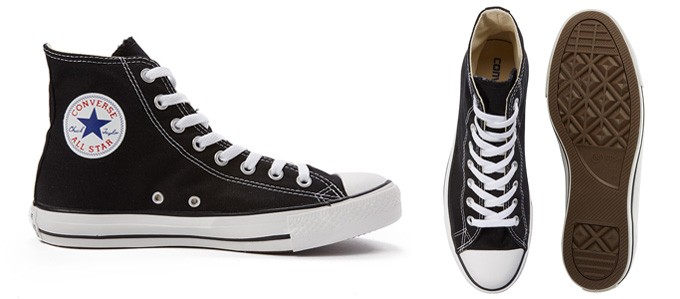
Converse Chuck Taylor All Star Hi-Top Plimsolls
Beach Days Got Better
Picture yourself at a Victorian beach where swimming suits covered everything but your anxiety. Hot sand burned through regular shoes, and leather got ruined by saltwater within minutes. Plimsolls let you walk on scorching sand without hopping around like a cartoon character, and when they got wet, you just let them dry out instead of throwing them away. This freedom changed beach culture because people could actually enjoy themselves instead of worrying about their footwear budget.
Sports Changed Forever
Before rubber soles, athletes competed in modified street shoes that offered zero support or traction. Your ankles would roll, your feet would slide, and injuries were just part of playing any sport. Plimsolls gave athletes actual grip on surfaces, which meant they could push harder, move faster, and take sports seriously as competitive events. Suddenly, winning depended on skill instead of who had the least terrible shoes.
Converse and the Basketball Takeover
Chuck Taylor wasn't just some guy - he was a basketball player who saw potential in a canvas high-top that the Converse Rubber Shoe Company started making in 1917. These "Non-Skids" were designed specifically for basketball, with rubber soles that gripped wooden courts and canvas uppers that let feet breathe. Chuck started selling these shoes to basketball teams while touring the country, basically becoming the world's first sneaker influencer before that was even a concept. In 1923, his signature went on the ankle patch, and boom - the Chuck Taylor All Star was born.
Basketball players loved these shoes because they actually worked for the sport. The high-top design supported ankles during all that jumping and pivoting, while the rubber sole kept players from sliding around like they were on ice. Before long, every serious basketball team wore Chucks, from high school squads to Olympic teams. The 1936 Olympics saw basketball players competing in these shoes, cementing Converse as the go-to brand for the sport. Professional players wore them exclusively for decades because nothing else came close to matching their performance.
Your High School Basketball Dreams
You wanted to make the varsity team, and the coach told everyone to show up with proper shoes. Showing up in leather dress shoes would get you laughed off the court before you even touched a ball. Chucks gave you the ankle support to land jumps without spraining anything, and the sole let you stop on a dime when you needed to fake out a defender. Every player on the team wore the same shoes, and that uniformity made you feel like part of something bigger than yourself.
Street Style Was Born
Basketball shoes jumped off the court in the 1950s when teenagers started wearing Chucks everywhere - to school, to dates, to sock hops where they'd actually dance. Parents hated this trend because "athletic shoes" weren't supposed to be casual wear, which made kids love them even more. Rebellion became as simple as lacing up canvas high-tops instead of wearing the leather shoes your parents bought. This was the first time sneakers meant something beyond sports, and it scared the absolute hell out of traditional fashion.
The Color Explosion
Converse initially made Chucks in basic colors - black, white, maybe a boring brown. Teenagers wanted options that matched their personalities, so Converse started producing every color imaginable by the 1960s. You could buy red high-tops, navy low-tops, kelly green, purple, or any shade that expressed your mood that week. This customization turned shoes into personal statements instead of just foot coverings, and suddenly your sneakers said as much about you as your haircut.
Adidas, Puma, and the Brothers Who Hated Each Other
Rudolf and Adolf Dassler ran a shoe company together in Germany until they had a falling out so bad it split their entire town in half. Rudolf started Puma in 1948, while Adolf (nicknamed Adi) founded Adidas that same year, and these brothers never spoke again. Their family feud created two of the biggest sneaker companies in history, which is like if your worst argument with your sibling accidentally resulted in global empires. The town of Herzogenaurach became divided between Adidas and Puma employees, with different bars, shops, and even soccer clubs depending on which brother you supported.
Adidas made waves when Jesse Owens wore their shoes during the 1936 Berlin Olympics, winning four gold medals while Hitler watched his Aryan supremacy theories crumble. Those shoes had hand-forged spikes and were custom-made for Owens, showing that the right footwear could make history in more ways than one. After the war, Adidas focused on soccer cleats and track shoes, introducing the iconic three stripes in 1949 as a way to reinforce the shoe structure while creating a recognizable brand mark. Puma countered with their own designs, and the competition pushed both companies to innovate faster than they would have alone.
Your First Track Meet
You signed up for the 100-meter dash at your school's track meet, and your gym teacher said you needed proper running shoes. Regular sneakers would slow you down and probably fall apart after a few races. Adidas track spikes gave you grip on the track surface, letting you explode out of the starting blocks instead of slipping around like you were running on ice. Every tenth of a second mattered in racing, and the right shoes made the difference between winning and watching someone else celebrate.
Soccer Became Religion
Europeans treated soccer like Americans treat football, and the shoes you wore on the pitch determined how well you played. Leather cleats got heavy when wet, slowed you down, and needed constant maintenance just to stay wearable. Adidas created lightweight synthetic options that repelled water, giving players better ball control even in rain-soaked conditions. Your whole team wore the same cleats, and that consistency meant everyone moved with the same grip and feel for the ball.
The Three Stripes Meant Something
You could spot Adidas shoes from across a room because those three stripes stood out like a beacon. No other brand had such obvious branding, which made Adidas shoes instantly recognizable to anyone who cared about sports. Wearing those stripes meant you took athletics seriously, or at least wanted people to think you did. This visual identity became so strong that Adidas could release a completely new shoe model, and people would still know it was Adidas within seconds.
Nike's Waffle Iron Moment
Phil Knight and Bill Bowerman started Blue Ribbon Sports in 1964, importing Japanese running shoes and selling them at track meets out of Knight's car trunk. They renamed the company Nike in 1971, taking the name from the Greek goddess of victory because "Blue Ribbon Sports" sounded like a county fair prize. Bowerman was obsessed with making lighter, faster running shoes, and one morning he stared at his wife's waffle iron and had an epiphany. He poured rubber into the waffle iron, creating a sole pattern that gave runners better traction while weighing less than traditional flat soles.
The Waffle Trainer launched in 1974 and changed distance running forever. Runners loved how the waffle pattern gripped surfaces without adding weight, and suddenly Nike became the brand serious athletes chose. Then in 1984, Nike signed a rookie basketball player named Michael Jordan to an endorsement deal that seemed insane at the time - $500,000 per year plus royalties for a player who hadn't proven anything yet. The Air Jordan 1 dropped in 1985, and the NBA actually banned it for violating uniform color rules, which made every kid in America want a pair immediately.
Your Running Transformation
You decided to train for your first 5K, and your friend told you that running in old canvas shoes would destroy your knees. Investing in proper running shoes felt excessive until you tried on a pair of Nike Waffle Trainers and felt the difference instantly. The cushioning absorbed impact, the waffle sole gripped pavement, and suddenly running didn't feel like torture on your joints. Those shoes took you from gasping after one mile to completing the full 5K without wanting to die.
Breaking the Rules Felt Good
The NBA told Michael Jordan he couldn't wear his black and red Air Jordans because they didn't match his team's uniform. Nike paid his $5,000-per-game fine and turned the controversy into a marketing campaign that made every teenager want banned shoes. You saved up allowance money for months to buy a pair, knowing your parents would say they cost too much for sneakers. Wearing Air Jordans to school meant you were cool enough to own something controversial, something the establishment tried to stop.
Collecting Started Here
You bought Air Jordans to wear, but they looked so good that you didn't want to crease them or get them dirty. The solution was buying multiple pairs - one to wear, one to keep pristine in the box. This thinking spread to other limited-edition releases, and suddenly you had a closet full of sneakers you never wore. Collecting became a hobby that combined fashion, investment, and obsession in equal measures.
Hip-Hop Made Sneakers Cultural Currency
Run-DMC released "My Adidas" in 1986, and everything changed. These Queens rappers wore Adidas Superstars without laces, creating a look that suburban kids copied immediately even though they had no idea why Run-DMC wore them that way. The song was a love letter to sneakers, treating Adidas shoes like status symbols worth bragging about in lyrics. At a concert in Madison Square Garden, Run-DMC asked everyone wearing Adidas to hold their shoes in the air, and an Adidas executive in attendance saw 40,000 pairs go up.
That executive offered Run-DMC a $1 million endorsement deal - the first time a non-athlete got a sneaker contract. Hip-hop artists suddenly had the same pull as sports stars, proving that cultural influence mattered as much as athletic performance. Rappers started name-dropping sneaker brands in songs, making certain shoes blow up in popularity overnight. Air Force 1s became hip-hop's unofficial uniform in the early 2000s, with entire rap songs dedicated to the "Uptowns" and their various colorways.
Your Introduction to Hip-Hop Fashion
You heard "My Adidas" on the radio and wanted to dress like Run-DMC, even though you lived nowhere near Queens. The local mall had Adidas Superstars, and you bought a pair with your birthday money. Wearing them without laces felt weird at first, but you committed to the look because authenticity mattered. Those shoes connected you to a culture you only knew through music, but that connection felt real enough to change how you dressed.
Air Force 1s Became Identity
You moved to a new city and noticed everyone wore white Air Force 1s like it was a uniform. The shoes cost $90, which seemed steep until you realized they lasted forever and went with everything. Keeping them clean became a ritual - you'd wipe them down after every wear, replace laces when they got dingy, and guard them against scuffs like they were made of gold. The whole city measured freshness by how white your Forces stayed, and dirty shoes meant you didn't respect yourself.
Limited Drops Created Chaos
Nike started releasing limited-edition sneakers that sold out in minutes, creating a frenzy you had to experience to believe. You'd line up outside stores at 3 AM just for a chance to buy shoes before they disappeared forever.
Missing a release meant paying double or triple on the resale market, which felt criminal but you paid anyway because you needed those shoes. This scarcity model turned sneaker shopping into a competitive sport where being fast and connected mattered more than having money.
Skateboarding Gave Sneakers Attitude
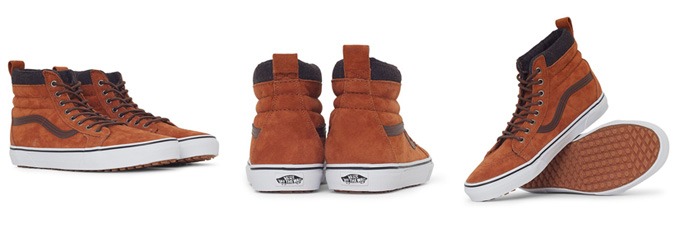
Skateboarders needed shoes that could survive constant abuse - grinding rails, ollying stairs, and wiping out on concrete destroyed regular sneakers in days. Vans started making shoes specifically for skating in 1966, with reinforced toe caps and waffle soles that gripped grip tape perfectly. The Vans Era became the shoe of choice for skaters in the 1970s, while Converse and Adidas also gained traction in skate parks. These shoes took beatings that would kill dress shoes instantly, and skaters wore their destroyed sneakers like badges of honor.
The skate aesthetic valued function over flash - if your shoes were too clean, you weren't really skating. Rips, tears, and holes proved you actually used your shoes for their intended purpose instead of just looking cool. This attitude spread beyond skating into general fashion, where distressed sneakers became desirable even if you'd never touched a skateboard. Companies started selling pre-worn shoes to people who wanted the skater look without the effort, which real skaters found absolutely hilarious.
Your Skate Park Education
You showed up to the skate park in pristine white sneakers, and within an hour they were scuffed beyond recognition.
Every ollie wore down the sole, every bail scraped the sides, and that grip tape was like sandpaper on canvas. Vans lasted longer than anything else you tried, and the toe cap reinforcement meant you could skate for weeks before blowing through to your socks. Those destroyed shoes told everyone you actually skated instead of just posing with a board.
The Half Pipe Called For Grip
You tried skating a half pipe in running shoes, and your feet slipped off the board mid-trick, sending you crashing into the ramp.
The waffle sole on Vans stuck to grip tape like velcro, giving you control even during complicated maneuvers. Every skater at the park wore similar shoes because they all learned this lesson the hard way. Your safety depended on that grip, which made proper skate shoes worth every penny.
Destroyed Meant Experienced
You saw kids wearing brand-new Vans and knew immediately they were beginners or posers. Real skaters had shoes held together by duct tape and prayers, with holes where their pinky toes poked through. You earned those battle scars through hours of practice, failed tricks, and determination to land that kickflip no matter what. Those ratty shoes represented dedication better than any trophy or medal ever could.
The Running Boom and Technical Innovation
The 1970s running boom turned jogging into a national obsession, with millions of Americans suddenly pounding pavement for fitness. This explosion in recreational running created demand for shoes that could handle the stress of regular distance training.
Companies responded with innovations like gel cushioning, air pockets, and ergonomic designs based on biomechanics research. ASICS introduced the GEL technology in 1986, using silicone gel in the sole to absorb shock better than foam alone.
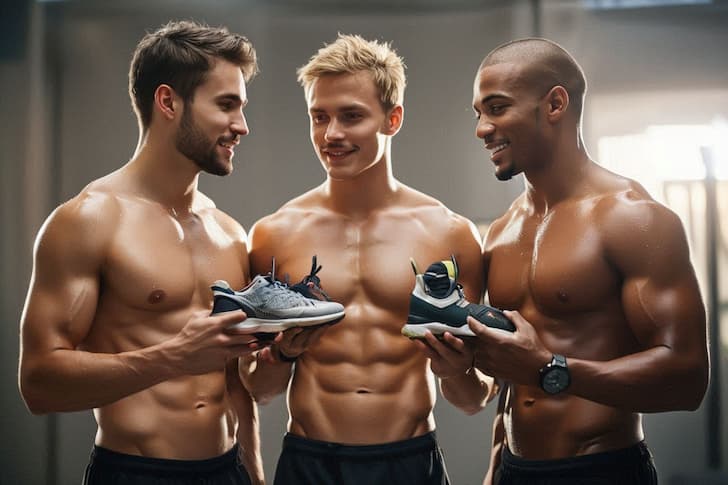
New Balance marketed to serious runners who valued performance over style, creating shoes in multiple width sizes so people with wide or narrow feet could find proper fits. Brooks focused on stability and motion control for overpronators whose feet rolled inward too much while running.
These technical advances made running safer and more accessible to people whose bodies didn't fit the standard athletic mold. The sneaker industry split into serious performance gear versus lifestyle shoes that looked athletic but served fashion purposes.
Your First Real Running Shoes
You tried jogging in old basketball shoes and felt pain shooting through your shins after two miles. The running store analyzed your gait, watched you walk on a treadmill, and recommended shoes with proper arch support for your flat feet.
Those specialized running shoes felt like wearing clouds compared to your old kicks, absorbing impact and supporting your stride in ways you didn't know shoes could. Your shin splints disappeared, and suddenly running became enjoyable instead of painful.
Marathon Training Required Serious Gear
You signed up for a marathon and bought cheap sneakers, thinking $60 shoes were fine for training. By mile 10 of your long runs, blisters formed and your knees ached from inadequate cushioning. Investing in proper running shoes with gel cushioning transformed your training - you could handle 20-mile runs without feeling destroyed afterward.
Those shoes cost $150, but they prevented injuries that would have cost way more in medical bills and lost training time.
Finding Your Width Saved Everything
You always assumed shoes came in one width, and if they didn't fit perfectly, you just suffered. New Balance offered 2A, B, D, 2E, and 4E width options, and trying on your actual width felt revolutionary. No more cramped toes, no more heel slippage, just shoes that fit your feet instead of forcing your feet to adapt. This attention to fit details changed your relationship with sneakers forever because you finally understood that discomfort wasn't normal.
The Sneakerhead Culture Explosion
The late 1990s and early 2000s saw sneaker collecting transform from niche hobby into full-blown lifestyle. Online forums like NikeTalk created spaces where obsessives could discuss releases, trades, and the minutiae of shoe construction. Limited-edition collaborations between sneaker brands and designers, artists, or boutiques created artificial scarcity that drove prices through the roof. Shoes that retailed for $150 would resell for $500 or more within days of release.
Sneakerheads developed entire languages around their hobby - deadstock meant unworn, grails were ultimate chase shoes, and "heat" referred to particularly desirable releases. People camped outside stores for days to secure limited releases, treating shoe launches like concert ticket sales. The culture valued knowledge, dedication, and being first to own new releases. StockX and GOAT emerged as resale platforms where sneakers traded like stocks, complete with market prices that fluctuated based on demand.
Your First Rare Acquisition
You wanted Nike SB Dunks that only 500 stores worldwide received, and your city wasn't on the list. Scouring online forums led you to someone willing to trade for shoes you already owned plus cash. The trade felt like a drug deal - you met in a parking lot, inspected each other's shoes for authenticity, and exchanged boxes like you were passing state secrets. Getting those Dunks made you feel like you'd leveled up in a game only true sneakerheads played.
The Resale Game Became Real
You bought a pair of limited Yeezys for retail price and saw them selling for three times that amount online immediately. The temptation to flip them was strong, but wearing them yourself meant more than making a quick profit. Other sneakerheads weren't so principled - they bought multiple pairs just to resell, treating sneaker drops like investment opportunities. This resale culture drove prices higher and made it harder for regular fans to buy shoes they actually wanted to wear.
Authentication Got Serious
You bought what you thought were authentic Jordans from a random seller, and they turned out to be high-quality fakes. The disappointment stung worse than the money you lost because you'd been fooled by convincing replicas.
Learning to authenticate shoes became a skill - you studied stitching patterns, box labels, sole details, and factory stamps like you were training to be a forensic scientist. This knowledge protected you from future scams and earned respect from other collectors who valued expertise.
Luxury Fashion Discovers Sneakers
High fashion ignored sneakers for decades, treating them as pedestrian athletic gear beneath the notice of serious designers. That changed in the 2000s when designers like Raf Simons, Rick Owens, and Balenciaga started creating luxury sneakers that blurred lines between streetwear and high fashion. These shoes cost $500-$1,000, which seemed absurd for sneakers until you saw them on fashion runways and in Vogue editorials. Luxury houses treated sneakers as legitimate fashion pieces instead of casual afterthoughts.
Balenciaga's Triple S launched in 2017, and fashion people lost their minds over these chunky, deliberately ugly sneakers that cost $850. The "dad shoe" trend exploded, with luxury brands selling intentionally unstylish sneakers to people who wanted to look like they didn't care about looking good. This ironic approach to fashion made perfect sense to insiders while confusing everyone else. Collaborations between streetwear brands like Supreme and luxury houses like Louis Vuitton validated sneaker culture as worthy of high fashion's attention and price points.
Your First Luxury Sneakers
You saved for months to buy Balenciaga sneakers that cost more than your rent. Friends couldn't believe you'd spend that much on shoes, but they didn't get that these weren't just shoes - they were wearable art.
The quality, materials, and construction justified the price when you looked close enough, and wearing them made you feel like you'd achieved something. Those sneakers elevated your entire wardrobe, making even basic jeans and a t-shirt look intentional instead of lazy.
The Fashion Week Revelation
You attended a fashion show where models walked the runway in $700 sneakers paired with haute couture. The juxtaposition felt wrong at first - why would designers pair masterpiece clothing with athletic shoes?
Then you realized that mixing high and low fashion created tension that made both elements more interesting. Those runway looks influenced how you dressed, making you rethink the old rules about what shoes went with what clothes.
Justifying the Investment
Your family questioned why you'd buy $600 sneakers when you could buy perfectly good shoes for $80. You tried explaining that luxury sneakers held their value better than regular shoes, sometimes even appreciating over time. The craftsmanship, materials, and limited production runs made them worth collecting and preserving. They still didn't get it, but you stopped trying to justify your choices to people who saw shoes as purely functional items.
The Sustainability Question
Sneaker production consumes massive amounts of resources - petroleum for synthetic materials, water for processing, and energy for manufacturing. The average pair of sneakers generates about 30 pounds of CO2 emissions during production. Fast fashion's influence on sneaker culture means people buy more shoes more frequently, creating waste when last year's trendy style ends up in landfills. This environmental cost started bothering sneakerheads who loved shoes but hated contributing to climate destruction.
Brands responded with sustainability initiatives of varying sincerity. Adidas partnered with Parley for the Oceans to create shoes made from recycled ocean plastic. Allbirds built their entire brand around sustainable materials like merino wool and eucalyptus tree fiber. Nike introduced its "Move to Zero" campaign, promising carbon-neutral and waste-free manufacturing. Critics pointed out that true sustainability would mean making fewer shoes that last longer, which contradicts the business model of selling more shoes every quarter.
Your Ethical Dilemma
You loved buying new sneakers every month until you read about the environmental impact of constant consumption. The guilt hit hard when you looked at your closet full of barely-worn shoes that would eventually end up in a landfill. Switching to sustainable brands felt like the right move, even though the options were limited and sometimes less exciting than traditional releases. Your buying habits changed completely, focusing on quality over quantity and shoes you'd actually wear instead of just collect.
The Recycled Materials Compromise
You bought Adidas shoes made from ocean plastic, and they looked and felt exactly like regular sneakers. The fact that they came from recycled materials instead of virgin petroleum made wearing them feel better somehow. These shoes performed just as well as traditional pairs, proving that sustainability didn't require sacrifice. More brands started offering recycled options, and you made them your default choice whenever possible.
Repair Over Replace
Your favorite sneakers wore out, and instead of throwing them away, you found a cobbler who could resole them. This felt radical in a culture that treated shoes as disposable, but the resoled sneakers lasted another year. Repairing shoes saved money and resources while letting you keep wearing kicks that already fit perfectly. This mindset shift from constant newness to appreciation for what you already owned changed your entire relationship with sneakers.
The Future Keeps Moving
Sneaker technology keeps advancing with self-lacing systems, 3D-printed midsoles, and smart sensors that track your gait and performance. Nike's Adapt BB shoes tighten themselves via smartphone app, which feels like science fiction until you wear them. Adidas uses 3D printing to create customized midsoles based on individual foot scans, offering personalization that wasn't possible with traditional manufacturing. These innovations point toward a future where every sneaker is tailored specifically to your feet and needs.
Digital sneakers exist now as NFTs - virtual shoes you can't wear but own as blockchain-verified assets. People pay thousands of dollars for these digital items to use in virtual worlds and online games. This feels insane until you remember that sneakers stopped being purely functional decades ago. The metaverse demands digital fashion, and sneaker brands rush to establish themselves in virtual spaces where scarcity is programmed into code. Whatever you think about digital sneakers, they represent where culture and technology intersect in weird, fascinating ways.
Your Smart Sneaker Experience
You bought Nike Adapt BBs and felt like you were living in the future when they auto-laced around your feet. The smartphone app let you adjust the tightness with a slider, and you could save different settings for different activities. These shoes removed the annoyance of retying laces during workouts while adding a tech element that made you feel like a cyborg. The novelty wore off eventually, but the convenience remained valuable.
3D Printing Changed Fit
You got your feet scanned at an Adidas store, and they 3D-printed midsoles designed specifically for your foot shape and walking pattern. The customized shoes fit better than any off-the-shelf sneakers you'd ever owned. This personalization felt like the future of footwear - where mass production gives way to individual customization. The price was higher, but the perfect fit justified the cost completely.
The NFT Confusion
You watched people buy digital sneakers for cryptocurrency, and the whole thing seemed pointless at first. Then you saw those virtual shoes being worn in online games and metaverse platforms, and it started making sense. Owning rare digital sneakers gave people status in virtual spaces the same way physical sneakers created status in real life. You haven't bought any yet, but you understand why others do.
The Queer Sneaker Story Nobody Tells
Gay men embraced sneakers as part of their wardrobes decades before mainstream fashion caught on. The athletic aesthetic fit into gay culture's appreciation for fitness and body consciousness, while sneakers' practicality worked for men who rejected traditional masculine dress codes. Sneakerhead culture in queer spaces developed its own flavor - more playful with color, more willing to mix high and low fashion, and more interested in self-expression than following strict rules.
Queer designers and stylists influenced sneaker culture even when their contributions went uncredited. The boldness to wear pink sneakers, the willingness to pair athletic shoes with tailored clothing, and the rejection of "sneakers are for kids" mentality all came from queer fashion rebels who didn't care about conventional rules. Ball culture elevated sneakers to runway-worthy status, with elaborate sneaker looks becoming category standards. This history gets erased when people act like sneakers were always acceptable fashion instead of something queer people helped legitimize.
Your Pride Parade Kicks
You wore rainbow-themed sneakers to your first Pride parade, and they became conversation starters with other attendees all day. Those shoes signaled your identity while being comfortable enough to walk miles in celebration. The visibility of wearing queer-coded sneakers in public felt empowering, like you were claiming space that wasn't always welcoming. Every year since, you've bought new Pride-themed releases, building a collection that represents both fashion and identity.
The Gender Rules You Broke
You bought women's sneakers because they came in colors the men's section never offered, and sales associates gave you confused looks. The shoes fit fine once you figured out the sizing conversion, and suddenly your options expanded dramatically. This gender flexibility in sneaker shopping predated broader fashion conversations about gender-neutral clothing by years. Your willingness to shop across gendered sections came from queer culture's long history of rejecting arbitrary rules about who wears what.
Ball Culture's Influence
You attended a ball and watched competitors serve elaborate sneaker looks with creativity that made fashion week seem boring. These performers elevated sneakers to high art, pairing them with custom outfits and presenting them with choreography that honored the shoes themselves. The mainstream sneaker world eventually copied elements of ball culture without giving credit. You knew where the real innovation happened, and it wasn't in corporate boardrooms.
Conclusion: Rubber Soles and Cultural Revolutions
Sneakers evolved from beach shoes to cultural artifacts that carry meaning far beyond their rubber and canvas construction. This history traces paths through sports, music, fashion, technology, and identity - all connected by what we put on our feet. The Idle Man wanted you to know this story because idle gay guys deserve to see themselves in sneaker history, not just as consumers but as innovators who shaped how everyone thinks about casual footwear. These shoes witnessed revolutions in how we move, dress, and express ourselves.
Every pair of sneakers you own connects to this sprawling history, whether you bought them for basketball, fashion, comfort, or identity. The next time someone dismisses sneakers as "just shoes," remember that nothing with this much cultural weight is ever just anything. Your kicks tell stories about who you are, where you came from, and what you value. The Idle Man knows that understanding sneaker history helps idle gay guys make better choices about what to wear and why it matters.
The future holds innovations we can't predict yet, from materials we haven't invented to platforms we can't access without virtual reality headsets. Sneakers will adapt and change like they always have, following culture wherever it goes next. Your role in this ongoing story matters because every person who cares about sneakers adds to the culture that keeps it alive and evolving. The Idle Man says keep your kicks clean, your knowledge deep, and your appreciation for this history real - because sneakers deserve respect for everything they've witnessed and everything they've become.
