

Assumptions about masculinity often shape how people see gay men, but these assumptions usually rely on stereotypes and misunderstandings. Gay masculinity gets judged by both straight and LGBTQ+ communities. This makes it tougher for gay men to just be themselves and feel accepted for who they are.
If you’ve ever heard that all gay men are either super flamboyant or must hide part of who they are, you’re not alone. These myths stick around thanks to media portrayals, cultural expectations, and misinformation. It’s really important to talk about these ideas openly so everyone gets a chance to feel seen and respected for who they truly are, without outdated stereotypes holding them back.
This article checks out 11 of the most common myths about gay masculinity. I’m breaking them down one by one, sharing real-life examples and explanations to help set the record straight. Along the way, we’ll press pause to dig deeper into why these myths exist, offering some context and stories that show life is much more nuanced than stereotypes would suggest. Let’s get into it!
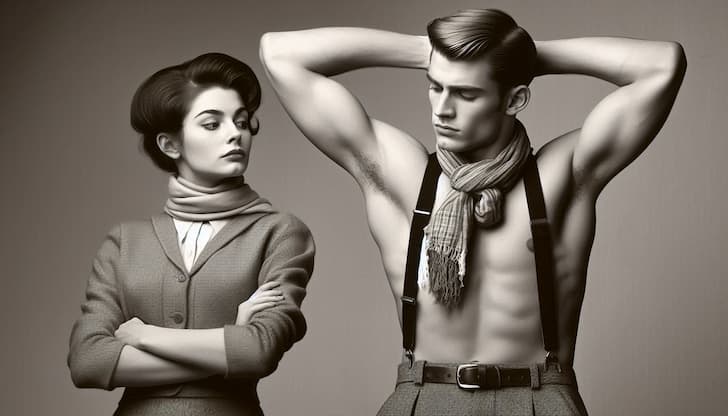
1. "Gay Men Aren’t Masculine"
The idea that gay men can’t be masculine is everywhere. I’ve seen people assume that if someone is gay, they must be less interested in sports, leadership, or anything considered “manly.” In reality, masculinity exists on a spectrum for everyone, gay or straight. Some gay men love football, hunting, or weightlifting. Others don’t, just like straight men.
Being gay has nothing to do with anyone’s natural way of expressing themselves or what activities they enjoy. Research in psychology shows masculinity is shaped by culture, not by sexual orientation.
It’s worth remembering that many famous athletes, soldiers, and leaders have also been gay men, showing that masculinity and sexuality are not linked in the way these myths suggest. By keeping an open mind, it becomes obvious that one’s sexuality doesn’t determine their masculinity or interests.
2. "Gay Men Are Always Feminine"
People sometimes expect gay men to behave in ways that are traditionally considered feminine, like speaking with a higher-pitched voice, dressing a certain way, or having specific hobbies.
I’ve met plenty of gay men who don’t fit this description at all. Some speak in deep voices, wear work boots daily, and couldn’t care less about fashion. What’s really important is understanding there’s no single way to be gay or to be a man. The media often boosts this myth by showing only “sassy” or flamboyant gay characters, but real life is much more diverse.
Many gay men are involved in construction work, serve in the military, or work on fishing boats. That range of life experience shows just how outdated this myth is. It’s valuable to check out podcasts, social media, and firsthand stories where gay men share their own journeys, highlighting the individuality within the community.

3. "Gay Men Can’t Have Strong Friendships with Straight Men"
There’s this belief that straight men and gay men can’t build genuine friendships because of awkwardness or attraction. From my own experience, meaningful friendships can easily happen across orientations if there’s any kind of respect. Gay and straight men don’t have to tiptoe around each other.
The assumption comes from the idea that attraction always gets in the way, but that’s just not true. I’ve seen lasting, supportive friendships between gay and straight guys that feel as close as any brotherhood. These friendships often encourage growth and help bust down stereotypes.
In fact, having friends of different orientations can help everyone grow more compassionate and open—both sides learn a lot from each other.
Building Connections without Stereotypes
- Common interests like hiking or gaming have nothing to do with sexuality.
- Open communication helps remove tension or misconceptions.
- Healthy boundaries and honesty help all friendships thrive.
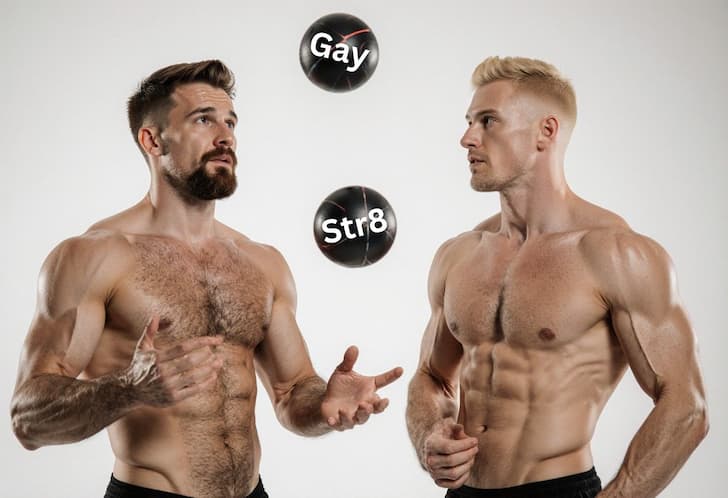
4. "Masculine Gay Men Are Hiding Their Sexuality"
Some people assume that if a gay man acts masculine, he must be “faking” or trying to hide the fact he’s gay. This pressure to match other people’s expectations can be exhausting. Some gay men feel like they’re expected to act more feminine to “fit in” within the LGBTQ+ community, or more masculine to avoid attention elsewhere.
In reality, personalities are shaped by many things, like family, culture, and personal experience. Not every man needs to show his sexuality in a visible or performative way. Masculinity is not a disguise for anyone’s sexuality.
Nobody should feel required to show off their sexuality for approval, and no two journeys of self-expression are alike. These assumptions place an unnecessary burden on gay men to act a certain way, which only holds people back from being their authentic selves.
5. "All Gay Relationships Have a ‘Man’ and a ‘Woman’"
People often try to fit same-gender couples into straight relationship roles—one is “the man,” and one is “the woman.” This overlooks the real dynamics at play. In my friendships and those I’ve observed, relationship roles can be totally equal, or partners may naturally prefer different responsibilities, but it’s not about mimicking a heterosexual setup. Assigning gendered roles erases the unique strengths and choices each person brings to their relationship.
Healthy gay couples make decisions based on personality, interest, and mutual respect, not gender norms. Every relationship is unique, and it’s about growing and supporting each other as equals.
6. "Gay Men Are Obsessed with Their Appearance"
Media often shows gay men as super stylish or always working out. While some enjoy fashion and fitness, not all do. I know gay men who don’t care about trends, rarely go to the gym, and prefer hiking boots to dress shoes.
Like anyone else, preferences depend on personality, priorities, and lifestyle. This stereotype puts unfair pressure on gay men to meet certain standards and takes away from their individuality.
Everyone experiences self-expression differently, whether gay or straight. Fashion, grooming, or appearance should be seen as personal choices, not as universal requirements imposed by orientation.
7. "Gay Masculinity Is Less Valid Than Straight Masculinity"
Some people act as if only straight men can truly represent masculinity, which can leave gay men feeling “less than.” I’ve noticed that this bias can even show up inside the LGBTQ+ community. The reality is that masculinity comes from honesty, strength, kindness, and resilience, qualities anyone can show.
A gay man’s masculinity is just as real and valid, even if it looks different than a stereotype. No one needs outside approval to be confident in who they are. It’s important to step up and support authentic self-expression, no matter where someone falls on the spectrum of masculinity.
8. "Gay Men Can’t Be Athletes, Mechanics, or Leaders"
There is a stubborn myth that gay men don’t belong in careers or activities that seem traditionally masculine. I’ve met gay men working as police officers, firefighters, mechanics, CEOs, or sports coaches. History is full of examples of gay men leading in spaces like the arts, politics, sports, and science.
This myth limits opportunity by making people think sexuality decides what jobs or hobbies they can pursue. Everyone deserves the freedom to chase their ambitions, no matter who they love. Highlighting the real accomplishments of gay men in all walks of life is one way to fight back against these harmful ideas.
9. "Gay Men Choose to Be Gay Because They Reject Masculinity"
The myth that being gay is a “choice”—especially a choice to reject what’s considered masculine—has no basis in fact. Studies continue to show that sexual orientation is not a decision or the result of parenting, trauma, or a lack of “manliness.” This kind of thinking is not only inaccurate but can be really harmful, creating guilt or shame for something that’s a natural part of who someone is.
Fabulicating one’s sexuality is about being honest with yourself, not about rejecting any part of personal identity, including masculinity. By separating facts from fiction, we help everyone feel more confident about expressing who they truly are.
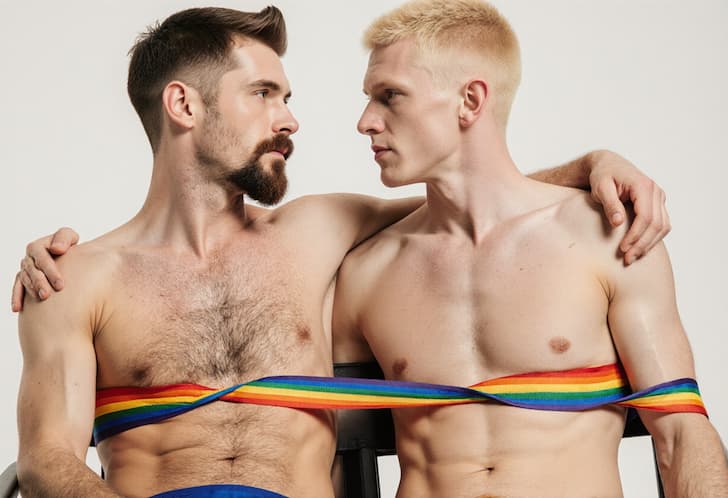
Are gay men all the same?
10. "Gay Men Are All the Same"
Sweeping generalizations erase the diversity within the gay male community. In my experience and from my network, gay men come from every race, culture, religion, and walk of life. Their ways of showing masculinity are just as varied. Some are artists, some are scientists, some are outgoing, and some are introverted.
There is no mold everyone fits, so assuming all gay men share the same traits, whether in masculinity or anything else, misses the richness of the community. By recognizing individuality, we make room for every story to be shared and celebrated. There are also big differences in family traditions, languages spoken, and approaches to self-expression across the world.
Recognizing Individuality
- Personal experiences shape how someone expresses themselves.
- Cultural background can greatly impact style, hobbies, and values.
11. "Gay Masculinity Is a Performance"
Some people label masculine gay men as “performing” for others, to “pass” as straight or to gain acceptance. Genuine masculinity isn’t about putting on a show. For most people I know, being masculine (or not) comes naturally and isn’t calculated.
Social pressure can influence how people behave, but this doesn’t mean that anyone’s personality is just an act. People choose to present themselves in ways that feel right and comfortable for them, whether or not that lines up with stereotypes or popular opinion. Being true to yourself is what counts, no matter what anyone else expects.
Pride Rainbow Merchandise
We earn a commission if you click the link below and make a purchase at no additional cost to you.

The Real Picture: A Spectrum of Masculinity
Gay masculinity isn’t better or worse, more real or less real than straight masculinity. Everyone deserves the right to express themselves fully, without having to meet narrow definitions. From my perspective, celebrating differences makes room for everyone to thrive. Learning about the real experiences of gay men, either directly from their stories or credible sources like the Human Rights Campaign, helps break down old myths and builds a more inclusive understanding of masculinity.
Challenging these myths can make a real difference by allowing more people to feel comfortable and confident in who they are. I know that honest conversation and personal stories go a long way in helping everyone move past stereotypes.
If you have a friend or family member who is gay, support and openness mean more than you might realize. Everyone deserves the freedom to be themselves, without myths and labels getting in the way. By sharing, listening, and keeping an open heart, we all build a safer and friendlier world for everyone, regardless of how we each experience or express masculinity.
