

A queer perspective often reveals flaws in global systems that others ignore. You see the cracks in the walls because you never quite fit within the house. Radical change starts with a refusal to accept old rules that fail most people. You deserve a world where your existence does not require constant defense. Collective action becomes a necessity when the status quo decays before your eyes. You hold the potential to reshape how we live and interact.
History proves that outsiders often drive the most radical progress. You should look toward a future where every person thrives without fear. Global shifts require bold ideas that depart from traditional thinking. You are the catalyst for a new way of being. Social structures often suppress the very voices that hold the answers for our collective survival. You will find that liberation for one means liberation for all. Now is the time to act. Silence equals death in a world that wants you to disappear. Your voice matters.
Radically Reframing Our World
Queer lives exist at the edge of social norms for a reason. You find yourself outside the standard path of marriage and office work. Society expects you to follow a script written by people who do not know you. You should reject tired patterns to build something better. Change requires a total shift in how you view your place in the universe.
Global systems currently favor a very small group of wealthy individuals. You notice the inequality every time you pay rent or buy food. Wealth concentrates at the top while everyone else struggles to stay afloat. You have the right to demand a fair share of the world's resources. Justice will only arrive when we dismantle the current economic machine.
Radical thought starts with the realization that nothing is permanent. You possess the agency to rewrite the social contract today. Governments and corporations rely on your silence to maintain their control. You must speak up and act with total conviction. Tomorrow belongs to those who dare to propose a new way.
Vote with your money to weaken large corporations. You should buy from local artisans instead of massive retail giants.
Form small groups to share resources within your neighborhood. You will save money and build stronger local networks.
Refuse to work for companies that destroy the planet. You find better ways to earn a living that align with your morals.
Teach your friends about the flaws in modern capitalism. You help others see the world through a more critical lens.
Queerness as a Lens for Systemic Change
Gay men navigate a world that enforces rigid norms, exposing the fragility of hierarchies built on exclusion. This lived reality reveals how conformity suffocates potential and divides people. By centering queer perspectives, we can dismantle these systems and build fluid, inclusive frameworks. A global shift inspired by queer logic prioritizes adaptability and rejects oppressive traditions.
- Workplaces adopt fluid roles. Berlin’s queer-run cooperatives assign tasks based on skills, not fixed titles, fostering creativity. This approach flattens power imbalances, allowing workers to thrive. Global industries could implement this to break corporate stagnation and value diverse contributions.
- Education systems teach nonconformity. Dutch schools integrate queer history, showing students that norms are constructed, not universal. Kids learn to question authority from an early age. Scaling this globally could produce critical thinkers who challenge outdated systems.
- Legal frameworks reject binary categories. Thailand’s non-binary gender markers on IDs reduce bureaucratic erasure for queer people. Individuals live freer, unboxed lives, without forced conformity. Nations could adopt this to end rigid identity enforcement and honor diverse existences.

Redefining Kinship Beyond Blood
Traditional family structures, often weaponized against gay men, enforce roles that limit freedom and connection. Queer chosen families prove that love and support thrive without blood ties or state approval. Reimagining kinship globally could liberate people from oppressive expectations. This shift values connection over obligation, reshaping how humans bond.
- Communal living replaces isolated units. San Francisco’s queer communes pool resources, raising kids collectively to cut costs. This builds resilient networks that combat loneliness. Cities could subsidize such models to strengthen social ties across diverse groups.
- Inheritance laws honor chosen bonds. Sweden’s reforms allow non-relatives to inherit, respecting queer families built on trust. This disrupts wealth concentration in bloodlines, prioritizing meaningful relationships. Global adoption could redefine legacy and reduce economic inequality.
- Childcare becomes shared duty. Cuban neighborhoods distribute parenting tasks, freeing adults to work or rest. Queer-inspired collectives model this approach, emphasizing mutual support. Scaling this globally could create stronger, more equitable social networks.
Reclaiming Personal Economic Control
Money acts as a leash in the modern world. You often feel the weight of debt and bills every single day. Banks rely on your fear to keep the current system running smoothly. You should look for ways to step away from traditional finance. Wealth grows when you stop feeding the corporate machine.
Barter systems offer a way to get what you need without cash. You have skills that your neighbors surely need right now. A haircut for a bag of apples seems like a fair trade. You build real local networks through these direct exchanges. Every dollar you keep out of the bank is a small win for freedom.
Debt creates a prison for the mind and the body. You must avoid high-interest loans that steal your future hours. Credit cards often trap you in a cycle of endless work. You should prioritize a life that requires less money to function. Simple living becomes a radical act of defiance against greed.
Use local credit unions instead of big national banks. You keep your wealth within your local area.
Trade your labor for goods and services whenever possible. You bypass the tax man and the middleman.
Cancel subscriptions that do not add real value to your life. You reclaim your time and your bank account.
Invest in items that last for many decades. You stop the cycle of constant consumption and waste.
Economics Rooted in Queer Survival
Capitalism thrives on scarcity, but gay men’s resourcefulness in hostile systems reveals abundance in sharing. Economies must shift from hoarding to equitable distribution, inspired by queer mutual aid. This overhaul ensures no one is left behind, redefining wealth as collective security. A world where everyone has enough draws from queer strategies for survival.
- Universal income frees creativity. Finland’s 2017 trial gave citizens unconditional payments, sparking entrepreneurship among queer artists. People pursued creative projects without fear of starvation. Scaling this globally could liberate billions from survival-driven labor and foster innovation.
- Barter systems sustain locals. Greece’s 2010s crisis saw communities trade goods, bypassing cash, a tactic queer networks use for survival. This kept small towns alive when banks failed. Such systems could stabilize regions during global market crashes, ensuring resilience.
- Taxes curb excess wealth. Norway’s progressive wealth tax funds public services, narrowing inequality gaps. Queer advocacy for fairness aligns with this model, prioritizing collective good. Global adoption could prevent billionaire monopolies and redistribute resources equitably.

Technology Guided by Queer Liberation
Tech giants control narratives, but gay men’s history of carving digital spaces shows how technology can amplify marginalized voices. Tools like the internet can decentralize knowledge and power, breaking corporate monopolies. Reclaiming tech as a public good could transform communication and governance. This vision draws from queer resilience in hostile digital and physical environments.
- Decentralized platforms evade control. Mastodon’s user-run servers prevent corporate censorship, a tool queer activists use to organize safely. This ensures free expression without corporate gatekeeping. Widespread adoption could create a freer, more equitable internet for all.
- Open education levels access. Khan Academy’s free courses, inspired by queer DIY learning networks, reach millions globally. Rural students gain skills once reserved for elites. Expanding this could close knowledge gaps and empower marginalized groups.
- AI optimizes aid delivery. India’s disaster algorithms map needs instantly, directing resources efficiently, a method queer mutual aid groups mirror. This reduces waste and speeds relief efforts. Scaling this could revolutionize global crisis response, saving countless lives.
Spirituality Through Queer Connection
Religious dogma often rejects gay men, yet queer spirituality finds meaning in shared human quests for purpose. A global ethic rooted in empathy can unite people without erasing differences. This approach strips away exclusionary doctrines, creating space for universal connection. It draws from queer experiences of forging meaning outside rigid institutions.
- Meditation hubs foster peace. Thailand’s community centers teach mindfulness without requiring religious allegiance, a model queer groups use for healing. Participants report lower stress and stronger social ties. Global replication could reduce conflict and promote collective well-being.
- Interfaith talks bridge divides. Bosnia’s post-war councils united Muslims, Christians, and Jews to rebuild trust. Queer interfaith efforts model this reconciliation, emphasizing shared humanity. Such dialogues could heal cultural rifts across the globe.
- Rituals honor universal moments. Dutch secular ceremonies mark births, deaths, and partnerships without religious ties. Queer communities pioneer inclusive rites that value all identities. Adopting this globally could unify diverse cultures through shared human experiences.
Justice Through Queer Healing
Punitive justice perpetuates harm, but gay men’s navigation of prejudice points to restoration over vengeance. Justice should repair, not destroy, focusing on reconciliation and accountability. This could transform prisons, courts, and global conflicts. A world that heals draws from queer resilience against systemic violence.
- Restorative circles resolve disputes. New Zealand’s Maori-led circles bring victims and offenders together to discuss harm. Queer advocacy for empathy aligns with this, prioritizing healing. Global adoption could replace punishment with repair, reducing recidivism.
- Truth commissions prioritize healing. South Africa’s post-apartheid hearings let victims share stories, fostering reconciliation. Queer activists often lead truth-telling to expose systemic abuses. Similar commissions could address global human rights violations, promoting accountability.
- Service replaces incarceration. Brazil’s non-violent offenders rebuild schools or plant trees, benefiting society. Queer mutual aid inspires this focus on restoration. Scaling this could empty prisons and rebuild communities worldwide.
Queer Resistance
Art challenges norms, and gay men’s creative defiance has long disrupted oppressive systems. It bypasses logic, shifting perspectives through emotion and beauty. A global movement rooted in creativity could reframe how humans connect and perceive each other. This draws from queer art’s power to confront and transform.
- Street art defies authority. Banksy’s murals in conflict zones spark debate about power and injustice. Queer artists like Keith Haring used public art to challenge homophobia and silence. Cities could use this to confront systemic wrongs globally.
- Theater amplifies silenced voices. India’s street plays expose caste oppression, reaching illiterate audiences. Queer performers lead similar grassroots efforts to highlight marginalization. Global adoption could give platforms to oppressed groups everywhere.
- Music unites across divides. Bob Marley’s concerts reconciled rival gangs in Jamaica, reducing violence. Queer anthems like “Born This Way” inspire solidarity across identities. Similar movements could bridge global conflicts through shared emotional resonance.
Redefining Human Relations
Family should mean more than just biological relatives. You have the power to choose who belongs in your inner circle. Traditional structures often fail to provide the support you actually need. You should build a network based on mutual care and respect. Love is a political act when it breaks established rules.
Circles of care provide a safety net that the state ignores. You look after your friends and they look after you in return. No one should have to face a crisis alone in a healthy society. You create a new kind of safety when you prioritize people over profit. Stronger bonds - not the banned kind - form through shared struggle.
Loneliness is a byproduct of a culture that values individualism too much. You should reach out to those who feel left behind by the world. Small acts of kindness build a foundation for a better world. You find strength in numbers when everyone works together. Radical kindness disrupts the cold logic of the modern city.
- Create a group text with neighbors to check in weekly. You ensure everyone has what they need to survive.
- Host regular dinners where everyone brings a dish to share. You build a sense of belonging without spending much money.
- Offer your spare room to a friend in transition. You provide a stable base for someone to find their feet.
- Listen deeply to the stories of elders in your area. You learn from those who fought these battles before you.
The Future of Urban Living

Cities often feel like concrete traps designed for work and sleep. You should look at the streets as a space for creative play. Public squares belong to the people - not to the police or the shops. You have the right to exist in public without being a consumer. Urban life should revolve around human needs rather than car traffic.
Empty buildings represent a failure of the current property market. You see homeless people on the street while luxury flats sit empty. Squatting or repurposing space becomes a moral choice in a housing crisis. You should support movements that turn abandoned lots into gardens. Green spaces in the city improve the air and the mind.
Transportation should be a right for every citizen in the world. You should be able to move freely without owning a private vehicle. Trains and buses connect us all in a web of shared movement. You save the planet when you choose public transit over a car. Cities become better when we prioritize walking and cycling over engines.
- Plant vegetables in the small patches of dirt near your home. You turn wasted space into a source of food.
- Organize a street party to meet the people on your block. You reclaim the road for human interaction for a day.
- Advocate for more bike lanes in your local government meetings. You make the city safer for everyone who does not drive.
- Support local libraries as centers for knowledge and warmth. You protect one of the last free indoor spaces available.
Governance Without Borders
Nation-states fuel division, but gay men’s borderless solidarity reveals borders as artificial barriers. Governance must prioritize humanity over territory, inspired by queer global networks. This could solve crises like climate change and war. A cooperative world draws from queer defiance of exclusionary systems.
- Global councils share resources. The Arctic Council manages shared environmental challenges without conflict. Queer activists model this cooperation in global advocacy for marginalized groups. This could address issues like water scarcity or food distribution.
- Citizen assemblies democratize power. Ireland’s 2018 abortion referendum used random citizens to shape policy inclusively. Queer organizers often lead such dialogues, prioritizing diverse voices. Global assemblies could tackle issues like climate policy or migration.
- Digital voting includes all. Estonia’s e-voting system boosts participation with secure, accessible platforms. Queer networks rely on digital tools for global organizing, showing their potential. Scaling this could make governance truly democratic, inclusive of all.

Education Reimagined Through Queer Defiance
Schools often enforce norms that marginalize gay men, but queer perspectives can reshape education to value questioning over obedience. Learning should foster critical thought, not conformity, preparing people for a fluid world. This shift could produce generations unafraid to challenge broken systems. A queer lens ensures education liberates, not confines.
- Curricula center marginalized histories. Canada’s schools teach Indigenous and queer histories alongside traditional narratives. This broadens students’ understanding of systemic exclusion. Global adoption could create informed, empathetic citizens ready to dismantle injustice.
- Classrooms encourage debate. Finland’s discussion-based learning lets students challenge teachers’ ideas. Queer educators often model this, creating safe spaces for dissent. Scaling this could foster independent thinkers worldwide.
- Vocational training adapts to needs. Germany’s apprenticeship programs adjust to local economies, a flexibility queer communities use in skill-sharing. This ensures relevant skills for all. Global replication could reduce unemployment and empower diverse populations.
Environment Healed by Queer Resourcefulness
Climate crises threaten survival, but gay men’s ingenuity in resource-scarce environments offers solutions. Queer mutual aid networks show how to thrive with less, prioritizing sustainability. This approach could guide global environmental strategies. A planet preserved reflects queer resilience in adversity.
- Urban farms reduce waste. Detroit’s queer-led community gardens grow food in vacant lots, cutting reliance on industrial agriculture. This strengthens local food security and reduces emissions. Cities worldwide could adopt this to combat climate change.
- Recycling systems prioritize reuse. Japan’s meticulous sorting recycles 80% of waste, a precision queer DIY culture mirrors. This reduces landfill growth and conserves resources. Scaling this globally could minimize environmental destruction.
- Renewable energy cooperatives thrive. Denmark’s community-owned wind farms supply local power, inspired by collective models queer groups use. This cuts fossil fuel reliance and empowers locals. Global adoption could accelerate the shift to clean energy.
Education as a Way to Rebel
Schools often train you to be a quiet worker for a boss. You should seek out knowledge that challenges the official history books. Truth is frequently hidden beneath layers of propaganda and national myths. You have the duty to educate yourself beyond the classroom walls. Critical thinking is the best weapon against a dishonest system.
Libraries hold the keys to a thousand different futures for you. You should spend time reading authors from diverse and marginalized backgrounds. New perspectives help you see the world through a different lens. You grow stronger when you admit that you do not know everything. Learning is a lifelong process that never truly ends.
Mentorship offers a way to pass down skills without a high price. You should find a teacher who values your curiosity over your grades. Skills like gardening or sewing are just as useful as math. You become more independent when you know how to fix your own gear. Education should be about liberation - not about passing a test.
Start a book club focused on radical political theory. You discuss big ideas with friends to sharpen your mind.
Watch documentaries that cover hidden parts of global history. You uncover the truth about how the world really works.
Attend free workshops at your local neighborhood center. You gain new skills without taking on any student debt.
Share your own expertise with younger people in your area. You help the next generation avoid the traps of the past.
Nature and the Queer Experience
The natural world does not follow the strict rules of human society. You see diversity in every forest and under every ocean wave. Biology is much more complex than the binary choices we are often given. You should look to the wild as a place of total acceptance. Nature does not judge you for who you are or who you love.
Climate change is the most urgent issue facing our species today. You must act to protect the air and the water for the future. Corporate greed drives the destruction of the earth for short-term gain. You should resist the idea that the planet is just a resource to use up. We are part of the earth - not the masters of it.
Outdoor spaces should be open and safe for every single person. You should spend time in the woods to find peace and clarity. Modern life is too loud and too fast for the human spirit. You regain your sense of self when you step away from the screen. The earth provides everything we need if we treat it with care.
Pick up trash whenever you go for a walk in the park. You leave the world a little cleaner than you found it.
Support farmers who use organic and sustainable methods. You protect the soil and your own health at once.
Build a birdhouse to encourage wildlife in your backyard. You help local species thrive in a changing environment.
Volunteer for a local group that cleans up nearby rivers. You ensure that the water remains safe for all living things.
Direct Action in the Digital Age
The internet is a battlefield for your attention and your data. You should use technology to organize rather than just to consume. Social media can be a trap that keeps you angry and distracted. You must find ways to communicate that the big tech firms cannot track. Privacy is a radical requirement for any real revolutionary movement.
Open-source software gives you control over your own digital life. You should avoid apps that sell your private secrets to the highest bidder. Digital tools should serve the user - not the shareholders of a corporation. You protect your friends when you use encrypted messaging every day. Security is a form of care in a world of constant surveillance.
Hacktivism offers a way to strike back against powerful institutions. You should support those who leak the secrets of the corrupt and the cruel. Information wants to be free and you should help it find its way. You have the power to spread the truth to millions with a click. The digital world is yours to shape if you learn the code.
Use a VPN to hide your location from advertisers and spies. You keep your online movements private and secure.
Switch your email provider to one that values your privacy. You stop big companies from reading your private notes.
Delete social media apps that make you feel bad about yourself. You reclaim your mental space for more productive thoughts.
Host an online forum for local activists to plan their next move. You create a safe space for radical ideas to grow.

Artistic Expression as Resistance
Art should do more than just look pretty on a museum wall. You should use your creativity to speak truth to those in power. Music and paintings can move people in ways that words cannot. You have a voice that deserves to be heard in every medium. Radical art breaks the rules of what is considered polite or normal.
Graffiti turns the city into a gallery for the common man. You should use the walls to send messages of hope and defiance. Street art reminds people that they are not alone in their struggle. You can reclaim the visual space of your neighborhood from boring ads. Color is a weapon in a grey and tired world.
Performance allows you to inhabit a new way of being for a moment. You should use theater and dance - no, wait, movement - to tell your story. Physical expression releases the tension of living in a restricted society. You find freedom when you stop caring about the gaze of others. Art is the soul of a radical movement for change.
Paint a mural that celebrates the history of your area. You give your neighbors a reason to feel proud of their home.
Write poems that describe the world you want to see. You use language to build a bridge to the future.
Create a zine to share your radical ideas with others. You bypass the gatekeepers of the traditional publishing world.
Play music in the park for everyone to hear for free. You bring people together through the power of sound.
Mental Resilience in a Broken World
Survival in a harsh system requires a strong and steady mind. You should prioritize rest as a radical act against a culture of work. Burnout is a tool used by bosses to keep you from fighting back. You have the right to do absolutely nothing for a while every day. Peace of mind is the greatest wealth you can ever own.
Self-care should not be a product that you buy from a shop. You should find ways to heal that do not involve spending any money. Meditation and deep breathing help you stay calm in a crisis. You find strength when you connect with your inner self. Mental health is a collective responsibility for the whole group.
Trauma often follows those who live on the margins of society. You should seek support from those who truly understand your experience. Healing takes time and you should be patient with your own progress. You are not a machine and you do not need to be perfect. Radical softness is a way to survive a very hard world.
Set boundaries with people who drain your energy. You protect your mental space for the things that matter.
Spend ten minutes each morning in total silence. You ground yourself before the noise of the day begins.
Write in a journal to process your thoughts and feelings. You gain clarity on your own path through the world.
Ask for help when the weight of the world feels too heavy. You realize that you do not have to carry it alone.
Global Citizenship and Open Borders
Borders are imaginary lines drawn by men with guns and maps. You should see yourself as a citizen of the entire planet. No human being is illegal on a world that belongs to everyone. You should support the right of every person to move and seek safety. Nationalism is a poison that keeps us divided and weak.
Migration brings new ideas and new energy to every culture. You should welcome the stranger as a friend you have not met yet. Diversity makes a society stronger and more resilient to change. You find that we have more in common than the media tells us. Radical hospitality is the foundation of a peaceful global society.
Wars are fought for the profit of a very few wealthy men. You should refuse to support the military machine in any form. Peace is only possible when we stop seeing others as enemies. You have the duty to stand up for the victims of state violence. A world without borders is a world without war.
Support organizations that help refugees find a new home. You show solidarity with those who have lost everything.
Learn a new language to communicate with people from other lands. You break down the walls that keep us apart.
Read news from different countries to get a global view. You see beyond the bias of your own local media.
Advocate for the end of strict visa laws in your country. You help create a world where everyone can move freely.
The End of the Traditional Workplace
The 40-hour work week is an invention that no longer serves us. You should look for ways to work less and live more. Technology should have made our lives easier - not more stressful. You have the right to a life that is not defined by your job title. Productivity is a poor measure of a human being's worth.
Cooperatives offer a way to work without a greedy boss at the top. You should share the profits and the decisions with your coworkers. Work becomes more meaningful when you have a say in how it goes. You create a fairer economy when you own the means of production. Radical labor movements are the key to a better future for all.
Leisure is not a luxury for the rich; it is a human right. You should spend your time on hobbies and friends rather than spreadsheets. A world with more play is a world with less misery and hate. You find your true self when you are not performing for a wage. The future of work is no work at all.
Join a union to fight for better pay and shorter hours. You gain power when you stand with your fellow workers.
Start a worker-owned business with a few of your friends. You decide your own schedule and keep the full value of your work.
Reduce your expenses so you can afford to work part-time. You trade a higher salary for more hours of freedom.
Speak up against unfair treatment in your current office. You set a standard for how people should be treated at work.
Secular Rituals for a New Age
Religion often uses fear to control the way that you live. You should find meaning in the cycles of the sun and the moon. Rituals can be a way to mark the passing of time without dogma. You have the power to create your own sacred moments in life. Radical spirituality is about your own truth - not someone else's rules.
Gardening is a form of prayer that feeds the body and the soul. You see the miracle of life in every seed that breaks the dirt. Caring for another living thing makes you a better person. You find a sense of purpose when you help the earth thrive. Nature provides all the wonder that any human could ever need.
Solstice and equinox celebrations connect us to the ancient past. You should gather with friends to mark the turning of the seasons. Fire and food are enough to create a sense of deep meaning. You reclaim your time from the clock of the corporate world. Ritual is a way to remember that we are part of something big.
Watch the sunrise once a month to clear your mind. You start the day with a sense of awe and wonder.
Create a small altar with items that remind you of your values. You focus your energy on what is truly important to you.
Host a ceremony to mark a major change in your life. You give yourself the space to process and move on.
Plant a tree to honor a person who has passed away. You turn your grief into a living gift for the future.
Food Sovereignty and Radical Diet
Industrial farming treats animals and the earth like cold machines. You should know exactly where your food comes from every day. Eating is a political act that affects the entire global ecosystem. You have the power to change the world with your fork and spoon. Radical diet choices favor the local and the natural over the processed.
Community gardens - wait, neighborhood gardens - provide fresh food for everyone in the area. You should help grow the vegetables that you eat with your friends. Shared labor makes the harvest taste so much better. You break the power of the supermarkets when you grow your own. Food should be a right - not a commodity for sale.
Cooking at home is a skill that makes you more independent. You should learn to make basic meals from scratch with simple items. Processed food is designed to keep you addicted and tired. You regain your energy when you eat real food from the earth. Radical health starts in the kitchen with a pot of beans.
Buy your vegetables from a local farmers market each week. You support the people who actually grow your food.
Learn how to ferment cabbage or make your own bread. You preserve the harvest and save money at the same time.
Share your extra garden produce with neighbors who need it. You ensure that no one in your circle goes hungry.
Avoid eating meat from large industrial factory farms. You take a stand against cruelty and environmental damage.
The Queer Tarot: An Inclusive Deck and Guidebook
Tarot deck and guidebook set for LGBTQ+, created by queer and trans artist team Ash + Chess.
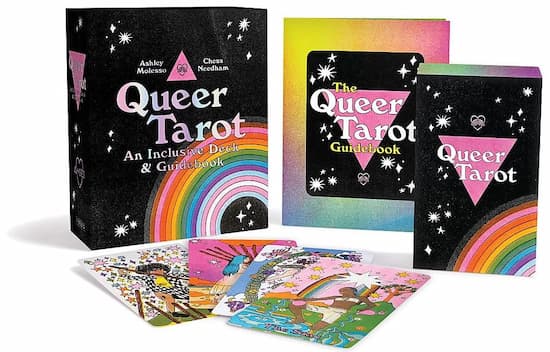
We earn a commission if you click this link and make a purchase at no additional cost to you.
Health Care Rooted in Queer Care
Health systems often fail gay men, but queer mutual aid offers models for inclusive, compassionate care. Prioritizing access over profit ensures no one is left behind. This could transform global health frameworks. Queer survival strategies show how to heal collectively.
- Community clinics serve all. Thailand’s queer-run clinics provide free HIV testing and mental health support. These spaces reduce stigma and save lives. Global replication could ensure universal access to care.
- Telemedicine reaches remote areas. India’s virtual doctor visits, inspired by queer online support networks, connect rural patients to specialists. This bridges access gaps without costly infrastructure. Scaling this could revolutionize health equity.
- Preventive care reduces costs. Cuba’s neighborhood health teams, akin to queer mutual aid, monitor residents proactively. This catches issues early, saving billions. Global adoption could transform health outcomes.
A Gay Man's Radical Blueprint for Global Change
This blueprint, forged from a gay man’s survival in a hostile world, demands action to rebuild humanity’s future. It envisions systems where fluidity is strength, connection is wealth, and healing is justice. The old world collapses - we must create something fearless and new. Start now, and let queer fire light the path forward.
