

Space captures my imagination with its beauty and mystery, but it can also feel deeply unsettling. While I might dream of stargazing or seeing Earth from above, the unknown stretches of the universe bring out some really intense fears. These fears are more common than I thought and have names rooted in science, psychology, and even personal experience.
When I first learned about the many fears linked to space, it actually made me feel less alone. Whether it’s the endless darkness or the idea of gigantic cosmic objects, each reaction tells a story about how humans relate to the unknown. So, I want to break down seven specific fears of space, explain the terms, and share some real reasons why these phobias hold such a unique place in our minds.
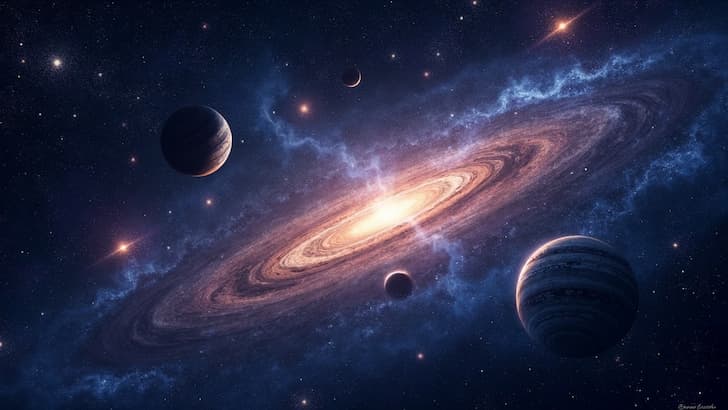
1. Astrophobia: Fear of Stars and Space Phenomena
Whenever I hear a storm outside or see a meteor shower prediction, I remember that for some people, the idea of anything happening in outer space triggers real anxiety. Astrophobia is the fear of celestial objects and spacebased events, like stars, comets, and meteorites. It’s not just about the night sky; it extends to worrying about cosmic events that might affect Earth, like solar flares or asteroids.
People with astrophobia might have panic attacks when they see news stories about asteroids or even when they look up at the sky and see more stars than usual. Science fiction movies can make this anxiety worse, especially ones with dramatic cosmic disasters. While the root cause can be anything from a bad childhood experience to anxiety disorders in general, astrophobia shows how space isn’t always comforting. It can feel like a threat looming above.
Interestingly, this fear can sometimes be reinforced by family or community beliefs passed down through generations; stories about shooting stars being bad omens or media coverage of rare cosmic events can stick with us. Teachers and parents emphasizing hazards from space, even in attempts to educate, might also plant seeds of fear instead of curiosity. Addressing astrophobia might involve learning new ways to see these events as natural or even beautiful rather than only dangerous.
2. Cosmophobia: Fear of the Universe as a Whole
Sometimes I find myself thinking about the enormity of the universe and feel a shiver down my spine. Cosmophobia is the term for this fear, which is focused on the universe as a vast, possibly endless expanse. The more I read about multiverses or parallel galaxies, the more I understand why someone could feel overwhelmed.
The fear might not have a single trigger. For some, it’s the thought that Earth and humanity are barely a speck in comparison to the rest of the cosmos. For others, it comes from the uncertainty about what lies beyond our solar system. Some people start thinking about space and spiral into existential worries about meaning and mortality. If I focus on the unfathomable distances or the idea that space keeps expanding, it’s easy to see how cosmophobia can be really intense.
Cosmophobia
Cosmophobia isn’t always obvious. People with this fear might become anxious when reading science articles or seeing documentaries that mention how tiny and alone our planet is. The feeling can be sneaky—hitting hardest when contemplating the unknown before bed or after seeing vivid images of the cosmos. Some scientists say that cosmophobia has links to “cosmic vertigo,” the sensation that comes when our minds try to take in everything at once. This can sometimes lead to deep philosophical questions, and having a support network to talk through these feelings can really help.
3. Siderophobia: Fear of Stars in the Sky
Looking at a sky full of stars usually comforts me, but I know that not everyone feels at ease. Siderophobia is a specific fear of stars themselves. Even though stars are light years away, some people worry about the idea that they are watching over us from vast distances.
This fear might be connected to a deeper anxiety about the unknown. For instance, if I think about stars as symbols of mystery or eternity, it can lead to a feeling of smallness or insignificance. For some, siderophobia leads to avoiding being outside at night or drawing curtains to block out the view entirely. The fear might have started with learning about supernovas or black holes; massive stardriven events in space that can seem terrifying.
Research suggests siderophobia could sometimes arise from traumatic experiences, such as encountering the night sky during a frightening event or watching scary cosmic scenes in movies. Additionally, some people feel that stars, as constant points in a dark sky, serve as a stark reminder of how truly vast the universe is. Discussing these fears with trusted friends or a counselor can be a first step to bringing comfort.
4. Planetophobia: Fear of Planets and Their Potential Threats
Planets like Jupiter or Saturn can look breathtaking in photos, but the knowledge that there are uninhabitable worlds orbiting our sun can create anxiety for some people. Planetophobia is the fear of planets, either because of their size, their mysterious atmospheres, or the potential for them to collide with other cosmic objects.
When I see artists’ depictions of gas giants or hear about exoplanets in the news, I get curious about what might be there, but for others, the idea of unknown planet surfaces, raging storms, or strange forms of life can cause fear. This phobia can even be triggered just by seeing globes or models of planets. If I put myself in that frame of mind, I could imagine planets as representatives of the dangers lurking in the greater universe.
Some planetophobes worry that studying distant planets will reveal threats to life on Earth, like future collisions or cosmic alignments gone wrong. Others are anxious about the idea of terraforming or humans visiting dangerous worlds. To ease these fears, learning about real-world safety and the actual distances between planets can be reassuring. Many people find that structured exposure to planet facts in books or controlled settings allows their curiosity to outshine their anxiety.
5. Selenophobia: Fear of the Moon
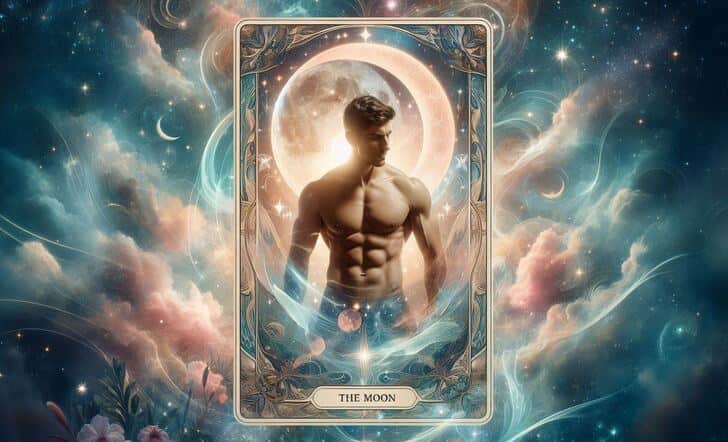
The moon lights up the night and has inspired songs, poetry, and scientific discovery. But selenophobia is a real phobia where the moon causes deep fear. This fear usually goes beyond superstition, like believing in werewolves or lunar curses, and taps into anxiety about moon phases, eclipses, or even just seeing the full moon overhead.
As a kid, I found eclipses exciting, but I have met people who experience real distress during these events. For someone with selenophobia, even moon-related conversations or space agency broadcasts about lunar missions can trigger worry. The fear can also be tied to sleep difficulties since the moon becomes more visible at night and can seem like it’s “watching” from above. Some people have a bad experience, such as a scary story or a movie that sticks with them, and this grows into lifelong discomfort around the moon.
Many cultures attach mythical significance to the moon, and some people grow up hearing stories that make the moon seem mysterious or foreboding. For sensitive folks or those already wrestling with anxiety, even harmless moonlit nights can become a source of unease. Try reframing those thoughts and learning about the moon’s predictable cycles to help steady those nerves.
6. Kenophobia: Fear of Empty Spaces and the Cosmic Void
If I really think about what space is, it’s mostly emptiness. Kenophobia is the fear of empty or vast voids, and outer space represents the ultimate form of emptiness. This fear can make sci-fi movies about being stranded in space or looking into deep space photos very uncomfortable for some people.
Kenophobia can show up in daily life, like feeling uneasy in big, empty rooms. But when thinking about space, the fear gets magnified. The idea of floating alone far from any planet, surrounded by total darkness and silence, can be really disturbing. Even astronomers talk about the cosmic voids that are millions of light years across with little to nothing inside. For someone who worries about nothingness or isolation, space becomes the ultimate trigger.
Kenophobia can also intersect with feelings of existential dread, or even a fear of losing oneself within infinite emptiness. To address this, some people might meditate or practice grounding exercises, focusing on earthly pleasures and the known world as anchors. Others benefit from understanding more about how empty space is not truly “nothing,” but instead part of the fabric of the universe, which can bring a surprising sense of comfort over time.
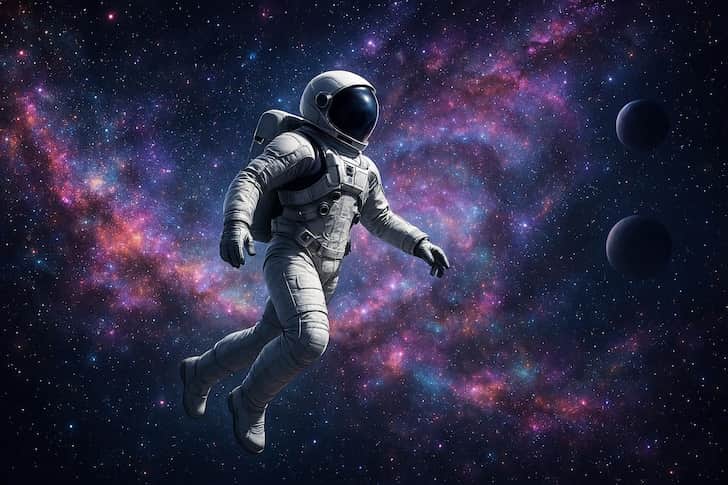
7. Astromegalophobia: Fear of Cosmic Giant Objects
I remember seeing diagrams comparing Earth to Jupiter or the Sun and suddenly realizing how small our world is. Astromegalophobia is the fear of enormous objects in space. Massive planets, stars, black holes, and galaxies can all make me feel tiny and can be a source of real anxiety.
For people with this fear, images showing the scale of the sun, red giants, or pictures of huge gas clouds can be deeply unsettling. The knowledge that these objects exist, far beyond our reach, and could swallow Earth without a trace adds to the sense of dread. I have found it helpful to focus on awe instead of fear, but that doesn't work for everyone. This phobia often combines feelings of insignificance and vulnerability.
School projects that involve measuring planetary sizes or watching documentaries with visuals comparing cosmic objects can sometimes trigger astromegalophobia. Support from friends or professionals who encourage curiosity—rather than only focusing on scale—can help. Over time, some people find that reframing large objects as beautiful or fascinating rather than menacing reduces the power these fears hold.
What Causes Space-Related Fears?
After researching these phobias, I noticed that some are rooted in personal experiences, while others are triggered by what I have learned or seen in media. Movies that portray disasters in space, documentaries about asteroids headed toward Earth, or scary bedtime stories can all feed into these fears. Sometimes they start in childhood and stick around. Other times, anxiety from daily life attaches itself to the vast unknown of space.
For some people, the fears are rational, like being wary of real-world risks (such as asteroid impacts), but most spacerelated phobias come from thinking about things so big and unknown that they are hard for the human mind to process. If I feel anxious when thinking about these topics, talking about it or writing down what I’m feeling sometimes helps. Others might seek out therapy or support groups for help in managing these worries.
Family culture can shape our comfort with space topics as well. Some families celebrate space and science, while others might emphasize caution, amplifying anxiety. Society and popular media tend to showcase dramatic, even catastrophic, depictions of cosmic events, making those with underlying anxieties more likely to develop space-related fears. By sharing stories and comparing experiences, we can better understand the roots and triggers, which is often the first step toward acceptance and healing.
How You Can Cope with Space Fears
Here are some steps that I have found helpful if I start to feel anxious about space or the universe:
- Focus on what is within my control and let go of worries about what isn’t.
- Limit exposure to scary media, especially before bed.
- Learn about space in a safe and structured way, such as through documentaries that focus on exploration and curiosity rather than disaster scenarios.
- Share my feelings with others. Often, talking about my fears makes them feel less overwhelming.
- Practice relaxation exercises or mindfulness to bring myself back to the present moment when my mind starts to drift to the vastness of space.
Understanding that these fears are more common than I realized has brought me peace. Being curious about space doesn’t mean I have to be completely comfortable with everything it represents. Support is there, and over time, facing these fears can lead to new interests or even unexpected sources of inspiration.
The Queer Tarot: An Inclusive Deck and Guidebook
Tarot deck and guidebook set for LGBTQ+, created by queer and trans artist team Ash + Chess.

We earn a commission if you click this link and make a purchase at no additional cost to you.
Finding Awe in the Vastness
Even though space phenomena can cause fear, they can also inspire a deep sense of awe and wonder. For me, finding a balance means acknowledging the fear while still feeling amazed by discoveries, photos of galaxies, and even just the night sky above my home. Space doesn’t have to be just scary or just beautiful; it can be both.
If space sometimes makes you anxious, remember that emotions are valid, and you’re definitely not alone. With the right support and some practical steps, it’s possible to turn anxiety into curiosity and even appreciation. Checking out the universe, whether through books, telescopes, or sharing stories, can be an adventure that’s as much about understanding ourselves as it is about understanding what’s out there.
