

5 Albanian Cuisine Recipes for Vegetarians That Bring Home the Flavors of the Balkans
Albanian food is hearty, simple, and built on fresh ingredients. I’ve always found that Albanian cuisine is packed with vegetarianfriendly recipes, even though many people assume Balkan food is mostly about grilled meats. Over time, I stumbled upon some incredible plant based dishes from my own kitchen adventures and from Albanian friends, making me rethink comfort food altogether. If you’re looking for meals that are easy to prepare, rich in flavor, and pretty different from the usual vegetarian lineup, these five Albanian recipes deserve a spot on your table.
Albanian cooking uses lots of seasonal veggies, herbs, and olive oil, creating meals that feel both rustic and nourishing. Each of these recipes relies on pantry staples and simple prep, so you don’t have to hunt down rare ingredients or spend all day in the kitchen. Many of these dishes have become favorites in my own weekly meal plan, easy to tweak and always reliable for a filling lunch or dinner.
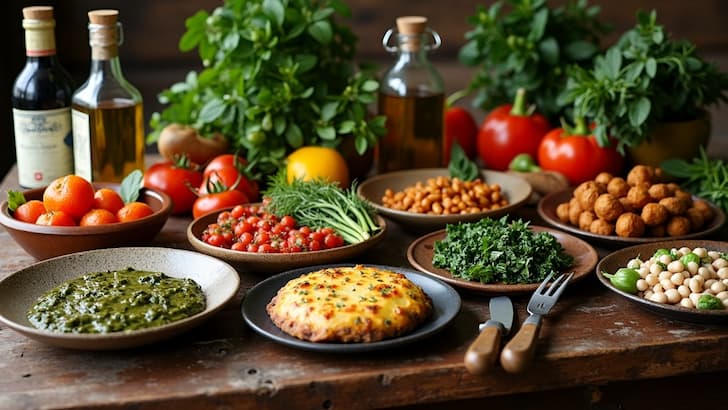
Why Albanian Vegetarian Dishes Are Worth a Try
- Based on local, fresh ingredients. Albanian recipes put vegetables, legumes, and beans at the center of the plate.
- Great for meal prepping. Most of these dishes keep well and taste even better the next day.
- Comforting flavors. You’ll enjoy a combination of mild spices, herbs, and textures that feel satisfying.
- Perfect for sharing. Many Albanian meals are served familystyle, making them ideal for gettogethers or batch cooking.
Vegetarian Albanian Recipes
The five vegetarian Albanian recipes in this list are easy to prepare, don’t need specialty equipment, and can be adapted for different diets. I’ve made each of these dishes myself, and they never last long at my table. The ingredients are straightforward, and the results work well for both experienced home cooks and those just getting into Balkan food.
1. Fërgesë e Tiranës (Peppers and Cheese Bake)
Ingredients
- 5 medium red bell peppers (or mix with green and yellow for color)
- 3 ripe tomatoes, diced
- 2 small onions, chopped
- 3 cloves garlic, minced
- 200g (about 7oz) feta cheese, crumbled
- 200g (about 7oz) ricotta or cottage cheese
- 2 tbsp olive oil
- 1 tbsp flour (for thickening)
- Salt and black pepper, to taste
- 1 handful fresh parsley, chopped
Instructions
- Preheat your oven to 375°F (190°C).
- Heat the olive oil in a wide pan over medium heat. Add onions and cook until soft, about 5 minutes. Stir in garlic and peppers, cooking until the peppers begin to soften.
- Add the diced tomatoes and cook until everything looks lightly saucy, about 8–10 minutes. Stir in the flour to thicken slightly and season with salt and pepper.
- Remove from heat and let it cool for a minute. Mix in the feta, ricotta, and half the parsley. Pour into a baking dish.
- Bake uncovered for around 25 minutes, until the top looks lightly golden and bubbly. Sprinkle with the remaining parsley and let it cool just a bit before serving with crusty bread.
2. Speca me Gjizë (Stuffed Peppers with Cheese and Herbs)
Ingredients
- 6 mediumsized bell peppers, any color
- 300g (about 10oz) ricotta cheese or gjizë (fresh Albanian curd cheese)
- 1 bunch fresh dill, chopped
- 2 tbsp olive oil
- 1 egg (optional, for binding, skip for vegan)
- Salt and black pepper, to taste
- 1 tsp paprika
Instructions
- Heat the oven to 350°F (175°C).
- Slice the tops off the peppers and gently remove the seeds.
- In a bowl, combine ricotta or gjizë, chopped dill, egg (if using), salt, pepper, olive oil, and paprika. Mix until smooth.
- Fill each pepper with the cheese mixture. Arrange the stuffed peppers upright in a baking dish and drizzle lightly with olive oil.
- Cover the dish with foil and bake for 40 minutes. Remove the foil and bake another 10 minutes to lightly brown the tops. Serve warm or at room temperature.
3. Tavë Kosi me Perime (Baked Yogurt Casserole with Vegetables)
Ingredients
- 2 medium zucchini, sliced into thin halfmoons
- 2 carrots, grated
- 1 cup frozen or fresh spinach, chopped
- 1 small potato, diced
- 1/2 cup cooked rice
- 2 cups plain Greek yogurt
- 2 eggs
- 3 tbsp flour
- 2 tbsp olive oil
- Salt and ground white pepper, to taste
- 1 tbsp butter or more olive oil, for greasing
Instructions
- Preheat your oven to 375°F (190°C). Grease a medium baking dish with butter or olive oil.
- Heat 2 tbsp olive oil in a pan over medium heat. Add zucchini, carrots, spinach, and potato. Saute until just softened, about 8 minutes. Stir in the rice and season with salt and pepper.
- Spread the veggies evenly in your prepared baking dish.
- In a bowl, whisk together yogurt, eggs, and flour until smooth. Pour this over the vegetables, covering them.
- Bake for 30–35 minutes, or until the top is golden and set. Let it cool a bit before slicing. This tastes great both warm and cold.
4. Groshë me Qepë dhe Domate (White Bean Stew with Onions and Tomatoes)
Ingredients
- 2 cups cooked white beans (or two 15oz cans, drained and rinsed)
- 1 large onion, sliced thinly
- 2 tomatoes, chopped (or 1 can diced tomatoes)
- 2 tbsp tomato paste
- 2 tbsp olive oil
- 3 cloves garlic, minced
- 1 tsp dried oregano or thyme
- Salt and black pepper, to taste
- 1 bay leaf
- Fresh parsley, for garnish
Instructions
- Warm the olive oil in a pot over medium heat. Add onions and saute until soft and slightly golden.
- Add the garlic, tomato paste, and chopped tomatoes, stirring for several minutes until the tomatoes break down.
- Stir in the beans, oregano, bay leaf, salt, and pepper. Pour in 1/2 cup water and bring everything to a gentle simmer.
- Let the stew cook uncovered for 20–25 minutes, adding a splash more water if needed. Stir occasionally so it doesn’t stick.
- Remove the bay leaf, taste and adjust seasoning, and sprinkle with fresh parsley just before serving. Serve with warm bread for a filling meal.
5. Lakror me Perime (Albanian Vegetable Pie)
Ingredients
- 3 cups all purpose flour (plus extra for dusting)
- 1 cup warm water
- 1 tsp salt
- 3 tbsp olive oil (plus more for brushing)
- 2 cups fresh spinach, chopped
- 2 leeks, white part only, finely sliced
- 1/4 cup fresh mint, chopped
- 2 eggs (optional)
- Salt and black pepper, to taste
Instructions
- To make the dough, mix flour, salt, 3 tbsp olive oil, and warm water until a soft, smooth dough forms. Knead for 5 minutes, then let it rest for 30 minutes covered.
- For the filling, saute leeks in a little olive oil until soft. Add spinach and cook just until wilted. Transfer to a bowl, stir in mint, eggs (if using), salt, and pepper.
- Divide the dough into two pieces. Roll out each piece into a thin circle, large enough to fit your baking pan.
- Place one circle of dough in a greased round baking pan, letting the edges hang over. Add the filling evenly on top.
- Cover with the second dough circle, folding and pinching the edges to seal. Brush the top with olive oil.
- Bake at 375°F (190°C) for 30–35 minutes, or until golden. Allow to cool slightly before slicing. This pie is great hot or at room temperature.

Recipe Tips & Variations
- Swap in vegan cheeses or plant based yogurt if you prefer dairyfree versions. Both work surprisingly well.
- Try adding chopped olives, sundried tomatoes, or roasted red peppers for a new twist on classic recipes.
- For Lakror, you can stuff it with whatever fresh greens or herbs are in season, such as nettles, chard, or sorrel. All work well.
- Most of these dishes taste even better the next day, and leftovers hold up for quick lunches.
- For a protein boost, consider adding a handful of cooked lentils to the veggie stew or pie filling, which will keep you full longer while sticking to the traditional flavors.
- Experiment with different local herbs; fresh tarragon or basil gives new aroma to these Albanian bases.
Frequently Asked Questions
Q: Are these recipes glutenfree?
Some, like the bean stew and stuffed peppers, naturally do not contain gluten. For the pies and casseroles, glutenfree flour can be used in place of regular flour if you want a glutenfree meal.
Q: How hard is it to find Albanian cheese like gjizë?
If you can’t track down gjizë, fresh ricotta or cottage cheese makes a great substitute. Both give similar texture and flavor.
Q: What breads pair best with these dishes?
Simple crusty white bread or corn bread goes with almost every Albanian meal. I love serving fërgesë or bean stew with slices of warm, fresh bread for scooping.
Q: Can I prepare these in advance?
All of these recipes keep well in the fridge, making them handy for busy weeks or entertaining. If you prep in advance, just store in airtight containers and reheat as needed.
Q: Can I freeze any of these Albanian vegetarian recipes?
Yes, most of these dishes freeze well. Make sure to cool completely before freezing and use airtight containers. Fërgesë, bean stew, and Lakror are particularly freezer friendly, and you can simply thaw in the fridge overnight before reheating.
Q: Are these recipes suitable for kids?
Yes, absolutely! The mild flavors, creamy textures, and fresh ingredients are usually well received by children. You can skip strong herbs if your kids have sensitive palates.
Albanian Vegetarian Cuisine Through the Seasons
Albanian kitchens transform dramatically as seasons shift, with each period bringing distinct vegetables and preparation methods. The agricultural calendar dictates what appears on your plate, creating natural variety throughout the year. Traditional Albanian cooks never relied on imported produce, instead mastering techniques to maximize what each season delivered. This connection between garden and table creates meals that taste fresher and more vibrant than anything from a supermarket.
Spring arrives in Albania with wild greens sprouting across hillsides and fields, signaling the end of winter's preserved foods. Fresh nettles, dandelion leaves, and wild sorrel become prized ingredients that families gather during weekend foraging trips. These tender greens make their way into savory pies, simple sautés, and fresh salads that cleanse the palate after months of heavier winter fare. The brief window for harvesting young greens makes springtime Albanian cooking feel urgent and precious.
Wild Nettle Preparations
Nettles grow abundantly in Albanian countryside during early spring, offering free nutrition to those willing to harvest them carefully. The slight sting from fresh nettles disappears completely once you blanch them in boiling water for just two minutes. Albanian cooks combine blanched nettles with rice, onions, and herbs to create filling for traditional pies. You'll find the flavor remarkably mild and spinach-like, making nettles perfect for introducing to hesitant eaters.
Early Spring Herb Gardens
Albanian families plant herbs as soon as the last frost passes, prioritizing dill, parsley, and cilantro for immediate use. Fresh herbs appear in nearly every dish once they reach harvestable size, transforming simple yogurt into complex dips. The difference between dried and fresh herbs becomes obvious in Albanian cooking, where generous handfuls of fresh leaves create signature flavors. Your spring dishes will taste dramatically better with just-picked herbs snipped directly into the pot.
Fava Bean Traditions
Fresh fava beans appear in Albanian markets during late spring, commanding premium prices for their brief season. Albanian cooks prepare them simply, boiling until tender and serving with olive oil, lemon juice, and fresh dill. The labor of shelling fava beans becomes a family activity, with multiple generations working together at the kitchen table. These beans taste nothing like their dried counterparts, offering sweet, buttery flavors that justify the preparation effort.
Asparagus and Early Lettuce
Wild asparagus grows along Albanian roadsides and fields, requiring keen eyes to spot the thin, delicate spears. Albanian preparations keep asparagus simple, usually sautéed with garlic and finished with lemon juice or vinegar. Early lettuces get harvested while still small and tender, dressed with just olive oil and salt. The restrained seasoning allows the vegetables' natural flavors to shine through without competition.
Summer Abundance in Albanian Kitchens
Summer brings overwhelming quantities of tomatoes, peppers, eggplants, and zucchini that Albanian cooks must process quickly. Gardens produce faster than families consume fresh vegetables, necessitating preservation techniques perfected over generations. This abundance allows for experimentation and generous portions that would be impossible during leaner months. Your summer Albanian cooking will involve managing surplus while enjoying vegetables at peak ripeness.
Tomato Preservation Methods
Albanian families dedicate entire days to processing tomatoes when the harvest peaks in late summer. Sun-drying tomatoes on rooftops concentrates their flavors while extending usability through winter months. Some families bottle tomato sauce in massive quantities, creating pantry supplies that last until the next harvest. The intense flavor of properly sun-dried Albanian tomatoes makes store-bought versions taste bland by comparison.
Stuffed Summer Vegetables
Every vegetable with a hollow center gets stuffed during Albanian summer, from tomatoes to zucchini to peppers. Rice, herbs, and sometimes cheese create fillings that bake inside the vegetables until everything melds together. The vegetables' juices concentrate during baking, creating natural sauces that need no additional seasoning. You'll notice how different vegetables impart distinct flavors to the same basic filling recipe.
Grilled Vegetable Platters
Albanian summer gatherings feature enormous platters of grilled vegetables seasoned with just olive oil and sea salt. Eggplants, peppers, zucchini, and onions char over wood fires, developing smoky flavors impossible to achieve in conventional ovens. The vegetables get peeled while still warm, then marinated in olive oil with garlic and fresh herbs. These preparations improve over several days as flavors deepen and meld in the refrigerator.
Autumn Harvest and Storage Preparation
Fall brings the hard work of preserving enough food to last through winter when fresh vegetables become scarce. Albanian families pickle, ferment, dry, and store vegetables using techniques handed down through countless generations. Root cellars fill with potatoes, onions, garlic, and winter squashes that will sustain the family for months. This preserving season creates the foundation for winter cooking, determining what flavors will be available during cold months.
Pickling and Fermenting
Albanian pickle-making involves brining vegetables in large ceramic crocks where they ferment slowly over several weeks. Cabbage becomes turshi, a tangy fermented condiment that accompanies winter meals and aids digestion. Pickled peppers, cucumbers, and mixed vegetables line pantry shelves, providing bright, acidic counterpoints to heavy winter stews. The fermentation process develops complex flavors while preserving vegetables without refrigeration.
Squash and Pumpkin Storage
Winter squashes get harvested before first frost and stored in cool, dry places where they keep for months. Albanian cooks use these squashes in both savory and sweet preparations throughout winter. The natural sweetness of properly cured squash intensifies during storage, requiring less added sugar in recipes. Your squash dishes will taste best after the vegetables have cured for at least two weeks post-harvest.
Pepper Roasting Sessions
Fall means roasting massive quantities of red peppers that get peeled, packed in jars, and preserved in olive oil. The smoky-sweet flavor of roasted peppers appears in countless Albanian winter dishes. Families work together in outdoor kitchens, turning this laborious task into social occasions. These preserved peppers taste infinitely better than jarred store versions, making the effort worthwhile.
Winter Cooking with Preserved Foods
Albanian winter meals rely heavily on the preservation work completed during harvest season. Root vegetables stored in cool cellars provide fresh elements while pickled and dried foods add flavor complexity. This seasonal limitation bred creativity, with cooks developing dishes that transform simple ingredients into satisfying meals. Your winter Albanian cooking will teach you how previous generations ate well without modern refrigeration or imported produce.
Cabbage-Based Dishes
Cabbage stores exceptionally well and becomes a winter staple in Albanian households. Fresh cabbage gets shredded for slaws, braised with tomatoes and peppers, or wrapped around savory fillings. The versatility of cabbage makes it indispensable during months when other vegetables are unavailable. Albanian cooks have developed dozens of cabbage preparations to prevent monotony during long winters.
Potato Versatility
Potatoes stored in root cellars provide reliable starch and substance throughout Albanian winters. Mashed, roasted, fried, or stewed, potatoes appear at nearly every winter meal in some form. Albanian potato dishes often combine preserved peppers, pickled vegetables, or dried herbs for added flavor. The humble potato becomes exceptional when prepared with high-quality olive oil and thoughtful seasoning.
Dried Bean Creativity
Bean stews simmer on Albanian stovetops throughout winter, filling homes with comforting aromas. The variety of dried beans available allows for different flavors and textures across many meals. Albanian cooks soak beans overnight, then cook them slowly with preserved tomatoes, onions, and peppers. These hearty stews provide protein and warmth during the coldest months.
Using Preserved Peppers
Jarred roasted peppers prepared during fall harvest become flavor foundations for countless winter dishes. Albanian cooks add them to bean stews, mix them into cheese spreads, or serve them as side dishes. The smoky sweetness of these peppers brightens heavy winter meals with summer memories. You'll find yourself reaching for preserved peppers constantly once you experience their versatility.
Albanian Vegetarian Street Food and Snacks
Albanian street food culture includes numerous vegetarian options that locals grab for quick meals or snacks. These portable foods developed to feed workers, travelers, and students needing affordable, filling options. The simplicity of Albanian street food highlights quality ingredients rather than complex preparations. Your exploration of Albanian cuisine remains incomplete without sampling these everyday foods.
Byrek Varieties
Byrek, the flaky pastry filled with vegetables or cheese, appears at bakeries throughout Albania from early morning until sold out. The thin, crispy layers contrast perfectly with soft, savory fillings of spinach, leeks, or cheese. Bakers prepare byrek in large pans, cutting it into portions that customers eat while walking or sitting on benches. Fresh byrek still warm from the oven represents Albanian comfort food at its finest.
Roasted Chestnuts
Winter brings street vendors selling paper cones of hot roasted chestnuts to cold shoppers and pedestrians. The sweet, starchy chestnuts provide warming snacks during chilly Albanian winters. Vendors roast chestnuts in perforated drums over open flames, creating enticing aromas. These seasonal treats connect modern Albanians to centuries of food traditions.
Fresh Fruit Stands
Albanian fruit vendors set up simple stands selling seasonal fruits at remarkably low prices. Strawberries in spring, cherries in early summer, figs in late summer, and grapes in fall appear fresh-picked daily. The intense flavors of tree-ripened Albanian fruit make supermarket versions taste disappointingly bland. Supporting these vendors helps maintain small-scale agriculture while ensuring you get the best produce available.
Albanian Vegetarian Breakfast Traditions
Albanian mornings typically start simply, with breakfast foods that provide energy without heavy preparation. Traditional breakfasts emphasize dairy products, bread, fresh vegetables, and preserves rather than elaborate cooked dishes. This lighter morning meal suits the Albanian pattern of having the main meal at midday. Your Albanian-inspired mornings will feel refreshing and less overwhelming than heavy breakfast spreads.
Fresh Cheese and Tomatoes
Albanian breakfast tables often feature fresh white cheese, ripe tomatoes, cucumbers, and crusty bread. The combination allows each person to assemble simple sandwiches according to their preferences. High-quality ingredients make this minimal preparation taste far better than it sounds. You'll appreciate the simplicity after trying heavier breakfast alternatives.
Bread with Preserves
Homemade jams, honey, and fruit preserves spread on fresh bread create sweet breakfast options. Albanian families prepare preserves during fruit season, capturing summer flavors for year-round enjoyment. The quality of homemade preserves far exceeds commercial versions, with whole fruit pieces and natural sweetness. This breakfast works equally well for busy weekday mornings or leisurely weekend meals.
Herbal Teas
Albanian mornings often begin with herbal teas made from wild mountain herbs gathered during summer. These caffeine-free infusions include chamomile, sage, linden, and various mountain herbs specific to Albania. The ritual of preparing and sipping tea provides a calm start to the day. Many Albanians believe these herbal teas have medicinal properties that support overall health.
Budget-Friendly Albanian Vegetarian Cooking
Albanian vegetarian cuisine developed partly from economic necessity, making it naturally affordable and accessible. The reliance on seasonal vegetables, dried beans, and simple preparations keeps costs remarkably low. Albanian families traditionally avoid food waste, using every part of vegetables and repurposing leftovers creatively. Your food budget will stretch further while eating better when following Albanian vegetarian principles.
Shopping at Local Markets
Albanian markets sell seasonal produce at prices far below supermarket costs, especially when buying directly from farmers. Building relationships with regular vendors often leads to better prices and fresher selections. Markets near closing time sometimes offer significant discounts as vendors prefer selling out over transporting unsold items home. You'll enjoy better quality and lower prices by shopping where Albanians actually shop.
Growing Your Own Herbs
Albanian families grow herbs in pots, balconies, or small garden plots, eliminating the need to purchase expensive fresh herbs. A few pots of parsley, dill, mint, and oregano provide continuous harvests throughout the growing season. The minimal space and effort required makes herb growing accessible even in small apartments. You'll save money while ensuring constant access to fresh herbs for Albanian recipes.
Making Staples from Scratch
Albanian cooks prepare yogurt, bread, and pickles at home rather than purchasing premium versions from stores. These homemade staples taste better while costing a fraction of commercial equivalents. The time investment becomes worthwhile when you calculate savings over weeks and months. Your cooking skills will improve while your grocery bills decrease by making these basics yourself.
Albanian Vegetarian Cooking for Beginners
Albanian cuisine welcomes new cooks with forgiving recipes that don't require extensive experience or expensive equipment. The straightforward techniques and minimal ingredients mean fewer opportunities for major mistakes. Albanian cooking values good ingredients and proper technique over complicated procedures or special tools. Your first attempts at Albanian vegetarian dishes will likely succeed better than more finicky cuisines.
Mastering Simple Sautés
Albanian vegetable sautés teach fundamental cooking skills while producing delicious results. Learning to properly brown onions and garlic creates flavor foundations for countless dishes. These quick preparations work with whatever vegetables you have available, encouraging experimentation. Your skills will transfer to other cuisines once you master these basic techniques.
Practicing with Salads
Albanian salads require no cooking, making them perfect confidence-builders for nervous beginners. Learning to properly season with salt, oil, and acid creates a foundation for all cooking. These simple preparations demonstrate how quality ingredients need minimal intervention to taste excellent. You'll develop your palate while avoiding the stress of cooking times and temperatures.
Bring Albanian Flavors to Your Table
Vegetarian Albanian food checks all the boxes for me: bold in taste, doable on weeknights, and exciting enough for special occasions. I hope these five recipes inspire you to give Albanian cooking a shot, whether you’re new to the cuisine or looking for new spins on plant based meals.
Supporting local farmers by picking up fresh produce for these dishes makes them taste even better and brings you closer to the essence of Albanian food traditions. If you try these recipes, I’d love to hear how they turn out for you or see your own twists on these comforting classics. Happy cooking, and enjoy stumbling upon a new side of Albanian food right at home!
