

South America is home to some of the most exciting, colorful, and welcoming cities for LGBTQ+ travelers and residents. As someone who has traveled across the continent, I know how important it is to find places where I feel free to be myself and can experience vibrant queer cultures, nightlife, and community. Each city brings something unique to the table, from energetic pride parades and inclusive bars to arts scenes and safe neighborhoods.
Trying to pick your next stop or a new hometown? You’ll find plenty of options throughout South America that stand out for their active LGBTQ+ communities, legal protections, and the warm, openminded attitudes of locals. My goal here is to share the best cities that embrace diversity and celebrate pride— not only during big events, but every day. These cities prove that inclusion and acceptance can be a part of daily life, with spaces and events for everyone.

Whether you love beach parties, thriving nightlife, tranquil surroundings, or cultural explorations, these cities offer a mix of everything. I’ll break down what makes each place special, along with tips and insights from my firsthand experiences and stories gathered from other queer travelers along the way.
1. São Paulo, Brazil: The Heart of Pride in South America
São Paulo has a well-deserved reputation as the LGBTQ+ capital of South America. I always feel a burst of energy when I visit. The annual pride parade here attracts millions, making it one of the largest in the world. This celebration fills Avenida Paulista with music, color, and excitement every June. The sense of inclusion is easy to feel both during the parade and in daily city life.
The gay nightlife in São Paulo is hard to beat. I often spend weekends hopping between clubs and bars in the Frei Caneca district and around Rua Augusta. Popular spots like The Week, Bofetada Bar, and A Lôca offer something for everyone, from dance floors to drag shows and themed nights, ensuring there is always a reason to come back.
LGBTQ+ Rights in São Paulo
- Same-sex marriage and adoption are legal in Brazil.
- São Paulo’s local government actively supports LGBTQ+ events, ensuring strong visibility.
- The city has several LGBTQ+ community centers and support organizations for residents and visitors.
São Paulo is also home to art galleries, shopping areas, and diverse neighborhoods where I feel safe expressing myself. This city remains one of my top recommendations for travelers looking for a dynamic blend of culture, nightlife, and pride. The sheer size and openness means there is almost always a new event or gathering happening somewhere.
2. Buenos Aires, Argentina: Tango, History, and Openminded Living

Buenos Aires is known for its European flair, but what’s often overlooked is how open and progressive the city is when it comes to LGBTQ+ rights and culture. I always find the capital of Argentina to be a friendly, forward-thinking place with a deeply layered queer history that spans decades. The climate for inclusion here is one reason many expats and locals in LGBTQ+ communities choose Buenos Aires as their home base or travel destination.
The neighborhood of Palermo offers plenty of gay bars, clubs, and saunas. Pride events throughout the year show the city’s strong sense of community, while the Festival Internacional de Cine LGBT brings powerful stories to local screens each November. I often hang out at places like Peuteo or HUMAN, which are fun, stylish, and packed with friendly faces.
Why Buenos Aires Stands Out
- Argentina was the first country in Latin America to legalize same-sex marriage (2010).
- The city has antidiscrimination laws and an active queer cultural community, reflected in regular events and workshops.
- Drag culture is eye-catching, with performances in bars and theaters citywide.
When I want a break from nightlife, strolling through parks or admiring street art in San Telmo helps me soak in the city’s creative side. Buenos Aires is ideal for those who want culture, inclusivity, and a bit of romance, with tango under rainbow lights and communities that lift each other up.
3. Rio de Janeiro, Brazil: Sun, Beach, and Endless Celebrations
Nothing compares to the feeling of walking along Ipanema beach, surrounded by a diverse and openminded crowd. Rio de Janeiro is famous for its beach lifestyle and Carnival, but it’s also a top spot for LGBTQ+ visitors and locals. I often recommend Rio if you’re looking for a city where festivities and freedom mix together almost daily.
The Farme de Amoedo area in Ipanema is the center of LGBTQ+ nightlife. Bars like Galeria Café and Leviano Bar always have lively scenes with DJs and themed nights. Carnival in Rio features a dedicated LGBTQ+ party block (Banda de Ipanema) and a huge influx of queer revelers from around the world, giving the city a truly international feel during festival season.
Key Features in Rio de Janeiro
- Annual pride parade on Copacabana with thousands of participants.
- Strong sense of body positivity and acceptance, reflected in beach and club culture.
- Several safe hotels and guesthouses catering to LGBTQ+ guests, many with direct access to nightlife or the ocean.

Endless Celebrations
Even outside of peak party times, I always feel at home in the relaxed, sunfilled atmosphere. A casual beach day or a night out in Lapa reveals Rio’s spirit of celebration. The city’s open social scene makes it easy to make friends and enjoy all the local culture on offer.
4. Bogotá, Colombia: Culture, Progress, and Warm Welcomes
Bogotá combines a modern city vibe with a growing LGBTQ+ scene, which I find both exciting and comforting. The city’s rapid social progress in recent years led to the rise of inclusive spaces and events that continue to shape Bogotá as a safe and fun destination. Chapinero is the neighborhood I head to for nightlife, especially around Calle 60 and Zona Rosa.
Clubs like Theatron stand out; it’s a massive multilevel venue where everyone feels welcome, with themed dance floors and bold drag performances. Bogotá’s annual pride parade gets bigger every year, filling the city with a sense of celebration and unity that brings people together from all corners.
Bogotá’s Attraction Points
- Colombia legalized same-sex marriage in 2016.
- Bogotá is home to cultural festivals, queer art galleries, and inclusive cafes.
- The city supports resources for LGBTQ+ health and advocacy, making it easy for new arrivals to find their people.
The city’s overall openmindedness and unique blend of culture, history, and nightlife make Bogotá a favorite of mine. I always feel at ease meeting new friends in art spaces or trying Colombian food in the city’s many bustling markets, and I’m constantly impressed by the creative energy here.
5. Santiago, Chile: Evolving Scene in the Andes

Santiago’s LGBTQ+ scene is more recent but continues to grow every year. I find Santiago to be friendly, cosmopolitan, and full of opportunities for queer people to gather and express themselves. The Bellavista neighborhood is a major hotspot for nightlife, and several annual events keep the queer calendar busy with lots to look forward to.
Clubs such as Fausto or Blondie offer themed nights, drag shows, and a welcoming crowd. The diversity in nightlife ranges from dance clubs to quiet bars, so I can always find the right vibe for my mood. Creativity thrives here, from pop-up art events to live music on weekend nights.
LGBTQ+ Progress in Santiago
- Chile approved same-sex marriage in 2022.
- Strong antidiscrimination laws.
- Emerging drag and ballroom scenes, especially among younger generations who are eager to set new trends.
Besides nightlife, Santiago offers outdoor adventures and cultural landmarks. I often balance nights out with day trips to vineyards or hikes in the Andes, and I always get a sense of calm safety here. Whether you’re here for city life or the nearby nature, Santiago has something special to offer.
6. Montevideo, Uruguay: Small City, Big Impact
Montevideo surprised me with its compact and friendly atmosphere. Uruguay stands out as one of the most progressive countries in Latin America regarding LGBTQ+ rights, and Montevideo reflects this well. There is more of a laidback vibe compared to larger cities, but the community here is strong and supportive, always willing to show newcomers around.
Small bars, cozy coffeeshops, and pubs create welcoming spaces. Pride events fill the city with color each September, and law reforms support safety and equality. When I travel to Montevideo, I always notice how locals go out of their way to create a respectful and inclusive environment for everyone.
Why I Recommend Montevideo
- Uruguay legalized same-sex marriage in 2013, leading to strong legal protections.
- The city is known for relaxed attitudes and a closely connected LGBTQ+ community that is very welcoming to outsiders.
- Moderate size makes it easy to meet people and stumble upon welcoming venues that foster strong social ties.
For anyone who prefers quieter destinations without missing out on rights or culture, Montevideo is a great option. I enjoy walking along the Rambla or relaxing on the city beaches with friends, often gathering at local events where acceptance is the norm.

7. Lima, Peru: Emerging Scene and Cultural Flair
A few years ago, Lima wouldn’t have made this list. Now, the city is quickly making a name for itself as a spot for LGBTQ+ travelers and locals. Miraflores and Barranco are my go-to districts for open conversation, art, and nightlife. Lima’s community has grown thanks to active organizations and an increasingly visible pride movement each year.
The city’s queerfriendly venues include drag shows, cocktail bars, and art parties. I’ve attended Drag Nights at Legendaris and felt right at home in the creative spaces along the Malecon. These nights bring people together, whether you are just visiting or here to make deeper connections.
Community and Safety in Lima
- Peru doesn’t yet offer full marriage equality, but antidiscrimination laws exist in some areas.
- Lima’s pride parade attracts thousands and keeps growing every year.
- Strong focus on art, creative events, and LGBTQ+ activism, especially with young leaders stepping up for the community.
Lima’s food scene, historic districts, and scenic ocean views give a boost to the overall experience. The sense of community keeps expanding, so I’m always excited to see what’s next in Peru’s capital, especially at intersection of art and activism.
8. Quito, Ecuador: High Altitude Welcomes
Quito stands out for its UNESCO-listed old town and the highest official capital city altitude in the world. While the LGBTQ+ scene isn’t as large as in bigger cities, I always find friendly venues, inclusive spaces, and plenty of cultural events. The vibe here is chill, but with pockets of creativity that burst into life during festival times.
Bars like Sharman and Kookaburra are favorites, and the city’s pride parade gathers both locals and visitors every June. Ecuador has made legal progress, granting civil unions and marriage equality for same-sex couples, which has led to a more public community life in recent years.
LGBTQ+ Life in Quito
- Marriage equality has been present since 2019.
- Regular queer cultural events in downtown bars and theaters.
- Several youth and advocacy groups help new arrivals connect easily and feel welcome in the city.
I often pair visits to Quito’s nightlife with daytime exploring in the historic center or hiking in the hills around the city. There is always something new to track down, from pop-up art fairs to film nights that showcase queer voices.

9. Recife, Brazil: Tropical Diversity on the Northeast Coast
Recife’s northeastern location gives it a tropical, festive vibe unlike anywhere else. The LGBTQ+ nightlife scene feels more relaxed and community-oriented, with less of the mega-club energy of São Paulo or Rio. I especially enjoy the laidback bars facing the ocean and the historic Olinda nearby, with its artsy character and constant stream of creative events.
Pride events happen every summer, and local organizations focus on supporting and connecting the queer community. The city’s Carnaval has a big LGBTQ+ presence, and performers from all backgrounds are welcomed on parade floats and in open air parties. These celebrations are often open to everyone, blending social justice with fun in unique ways.
Highlights in Recife for LGBTQ+ Visitors
- Open beaches with gayfriendly sections and regular drag performances drawing crowds.
- Focus on music, dance, and art as sources of connection and celebration.
- Strong activism pushing forward rights at the local level; every event feels like a small victory for inclusion.
With its colorful homes, beach sunsets, and lively atmosphere, Recife is ideal for anyone craving fun, acceptance, and beautiful coastal scenery. I always leave inspired by the community’s creativity and resilience.
10. Medellín, Colombia: From Transformation to Inclusion
Medellín is a city that surprises me every time I visit. Once known for difficult times in its past, today Medellín represents transformation, safety, and growth for its LGBTQ+ community. The city’s warm climate is matched by its welcoming attitude, and festivals or events often become showcases for local talent and inclusive spirit.
The Laureles and El Poblado neighborhoods offer modern bars, hostels, and art spaces. Medellín pride goes all out, with thousands of people in the streets each July. I often visit Spirito or Donde Aquellos, friendly spots to meet new people and share travel stories. Locals in Medellín are always open to conversation and quick to lend advice on the best places to stay or visit.
Why Medellín is on My List
- Steady growth of LGBTQ+ services, support groups, and social events; the scene is growing fast and remains friendly.
- Colombia’s legal protections for marriage and antidiscrimination help foster a sense of safety.
- The city boasts beautiful parks, an arts scene, and overall safety for LGBTQ+ travelers, making it a great pick for long stays.
If you want a blend of adventure, warmth, and connection, Medellín is ready to welcome you. This next-level cool city continues to step up each year with new bars, pride events, and queer collectives.
The Queer Tarot: An Inclusive Deck and Guidebook
Tarot deck and guidebook set for LGBTQ+, created by queer and trans artist team Ash + Chess.
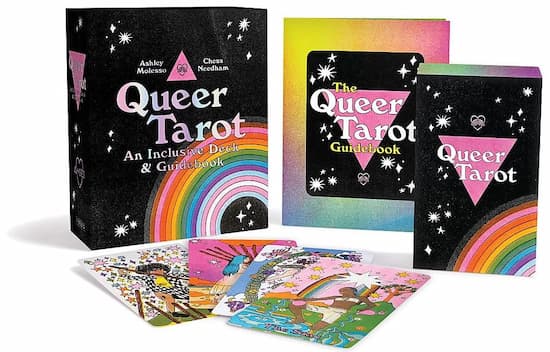
We earn a commission if you click this link and make a purchase at no additional cost to you.
Travel Tips for Exploring South America's Best Gay Cities
Visiting these cities can be incredibly rewarding, but I always encourage awareness of local customs and situations. South America, while full of friendly and progressive places, can have cultural differences from place to place. I always take simple safety steps like checking the latest travel advisories, connecting with local LGBTQ+ organizations, and reading up on each city’s current events to better prepare for any challenges.
- Most large cities listed here offer neighborhoods with safe hotels, hostels, and inclusive activities for all visitors.
- Major pride events draw large, diverse crowds; it’s a great way to experience local community spirit and make friends fast.
- Apps and forums such as Grindr, HER, and QueerMap can help find venues, parties, and LGBTQowned businesses to make the most of your time on the ground.
Having an open mind and putting online resources to work has helped me meet amazing people and enjoy the best each city has to offer. South America’s best gay-friendly cities are places where I can be myself, celebrate diversity, and connect with others who value inclusion. If you’re looking for a new adventure and a supportive community, any one of these cities is ready to welcome you.
Wrapping up, whether you’re planning a quick vacation or looking for a new place to call home, South America’s LGBTQ+ hotspots deliver on nightlife, culture, visibility, and a strong sense of belonging. Time to roll— your next-level cool adventure awaits!
